
How to Get Off Suboxone with Ibogaine: Complete Guide

Millions of Americans are on long-term Suboxone (buprenorphine) and want to stop — but Suboxone withdrawal is longer and harder than most opioids because buprenorphine has a 24- to 42-hour half-life. Ibogaine, an experimental psychedelic alkaloid, has been explored as a way to interrupt buprenorphine dependence in a single session. It carries serious cardiac risks and is illegal in the US, but for some people who have exhausted FDA-approved options, it feels like the only path left.
This guide is honest about both sides. It walks through why Suboxone is so difficult to stop, what ibogaine actually does differently, the specific cardiac danger of combining ibogaine with buprenorphine, the washout timelines required by legitimate clinics, and the FDA-approved alternatives that are safer and better studied. For a broader overview of the topic, see our complete ibogaine treatment guide covering cost, clinics, legality, and risks.
Struggling to get off Suboxone? Talk to us first.
Our admissions team is available 24/7 to answer questions, verify insurance, and connect you with medically supervised taper or detox options — nationwide.
📞 Call (888) 240-2548 — Confidential & Free📋 What You Will Learn
- Why Suboxone is harder to stop than heroin or fentanyl
- How ibogaine is proposed to interrupt buprenorphine dependence
- The specific cardiac risk of combining ibogaine with Suboxone
- Required buprenorphine washout timelines before ibogaine
- FDA-approved alternatives: Sublocade, Brixadi, gradual taper
- How to decide whether ibogaine is right for you
📖 Table of Contents
- Why Suboxone Is So Hard to Stop
- What Ibogaine Does Differently
- The Specific Danger of Ibogaine + Suboxone
- The Withdrawal Timeline: Suboxone vs Other Opioids
- FDA-Approved Alternatives That Are Safer
- How to Decide — Is Ibogaine Right for You?
- What Treatment at Hudson Valley Rehab Looks Like
- Frequently Asked Questions
Why Suboxone Is So Hard to Stop
Buprenorphine — the active ingredient in Suboxone, Subutex, Sublocade, and Brixadi — is a partial opioid agonist. It binds to the same mu-opioid receptors as heroin, fentanyl, and methadone, but it activates them only partially. That partial activation is what makes buprenorphine safer than full agonists: it produces a ceiling effect, so taking more doesn't produce more respiratory suppression. It is also what makes it so effective for opioid use disorder.
But the same properties that make Suboxone a good treatment make it very difficult to stop:
- Long half-life (24–42 hours). Heroin has a half-life of about 30 minutes and fentanyl about 3–7 hours. Buprenorphine stays in the body for days after the last dose, which means withdrawal is much slower and much longer.
- Extremely high receptor affinity. Buprenorphine binds to mu-opioid receptors more tightly than almost any other opioid. It takes days to fully clear, and even small amounts can trigger precipitated withdrawal if another opioid is introduced.
- Slow release from fat tissue. Because buprenorphine is stored in body fat, it slowly leaches back into the bloodstream, which prolongs withdrawal symptoms and post-acute withdrawal (PAWS).
- Duration of use. Many people have been on Suboxone for years. Longer duration means deeper physical dependence and harder taper.
The result is that Suboxone withdrawal typically lasts 2–4 weeks of acute symptoms — twice as long as fentanyl and four times as long as heroin. Symptoms usually peak between days 3 and 7 and can trigger months of post-acute symptoms after that.
Long-Term Suboxone Is Not Failure
It is worth saying clearly: staying on Suboxone for years is not a personal failure, and stopping is not required to be in recovery. Suboxone saves lives. But for people who want to come off it — for financial, personal, or health reasons — the tapering process needs to be planned, supported, and gentle. Doing it alone against a slow-release medication is where most attempts fail.
What Ibogaine Does Differently
Ibogaine is a naturally occurring psychoactive alkaloid derived from the root bark of the West African Tabernanthe iboga shrub. It is not FDA-approved, it is classified as a Schedule I controlled substance in the United States, and it carries a rare but documented risk of sudden cardiac death. Most people who pursue it travel to Mexico or Costa Rica, where it is legally administered at medically supervised clinics.
What makes ibogaine interesting for Suboxone users is the way it is proposed to interact with opioid receptors. Rather than replacing buprenorphine with another daily medication, ibogaine is given as a single dose (or short series of doses) that researchers believe can:
- Reduce withdrawal intensity by modulating mu and kappa opioid receptors
- Reset tolerance-related neural pathways through NMDA receptor antagonism
- Stimulate GDNF (glial cell-derived neurotrophic factor) in the brain's reward center, which may promote neuroplasticity
- Produce noribogaine — a longer-acting metabolite that stays active for 28 to 49 hours, potentially explaining why a single session can produce effects lasting weeks

One observational study of 50 opioid-dependent individuals found that 78% showed no clinical signs of opioid withdrawal after ibogaine treatment and 79% reported minimal cravings. But no double-blind, randomized controlled trial has proven ibogaine works for opioid use disorder. Relapse rates remain high — one analysis found 60% of patients relapsed within two months and 80% within six months.
Considering ibogaine but worried about the risks?
There are FDA-approved, evidence-based treatments for buprenorphine dependence that carry far lower cardiac risk. Our team can help you explore safer options — nationwide.
📞 Call (888) 240-2548 — Confidential & FreeThe Specific Danger of Ibogaine + Suboxone
Here is where the ibogaine and Suboxone combination becomes especially dangerous. Ibogaine and buprenorphine are both medications that affect the heart's electrical system — specifically the QT interval. Combining them raises that risk further.
| Risk | What Happens |
|---|---|
| QT Prolongation | Both ibogaine and buprenorphine can prolong the QT interval on an ECG. When both are active, the risk of dangerous arrhythmias increases. |
| Precipitated Withdrawal | Buprenorphine's high receptor affinity can displace ibogaine or trigger sudden, intense withdrawal if it is still present when ibogaine is given. |
| Torsades de Pointes | Cases of fatal ventricular arrhythmia have occurred with ibogaine at therapeutic doses — even in people with no prior heart conditions. |
Because of these risks, legitimate ibogaine clinics require a strict washout period off buprenorphine before treatment. Typically:
- 7 to 14 days off Suboxone, depending on the daily dose and how long you've been taking it
- Some clinics require patients to transition to a short-acting opioid first (like oxycodone), then complete a shorter washout
- 12-lead ECG to check QT interval before treatment
- CYP2D6 genotyping to identify patients at higher cardiac risk
- Continuous cardiac monitoring during and after the session — often 48+ hours
- Magnesium supplementation, which some clinics use to reduce arrhythmia risk
If you are also considering same-day online Suboxone treatment as a starting point, that option carries none of ibogaine's cardiac risks and can be initiated from home in most US states.
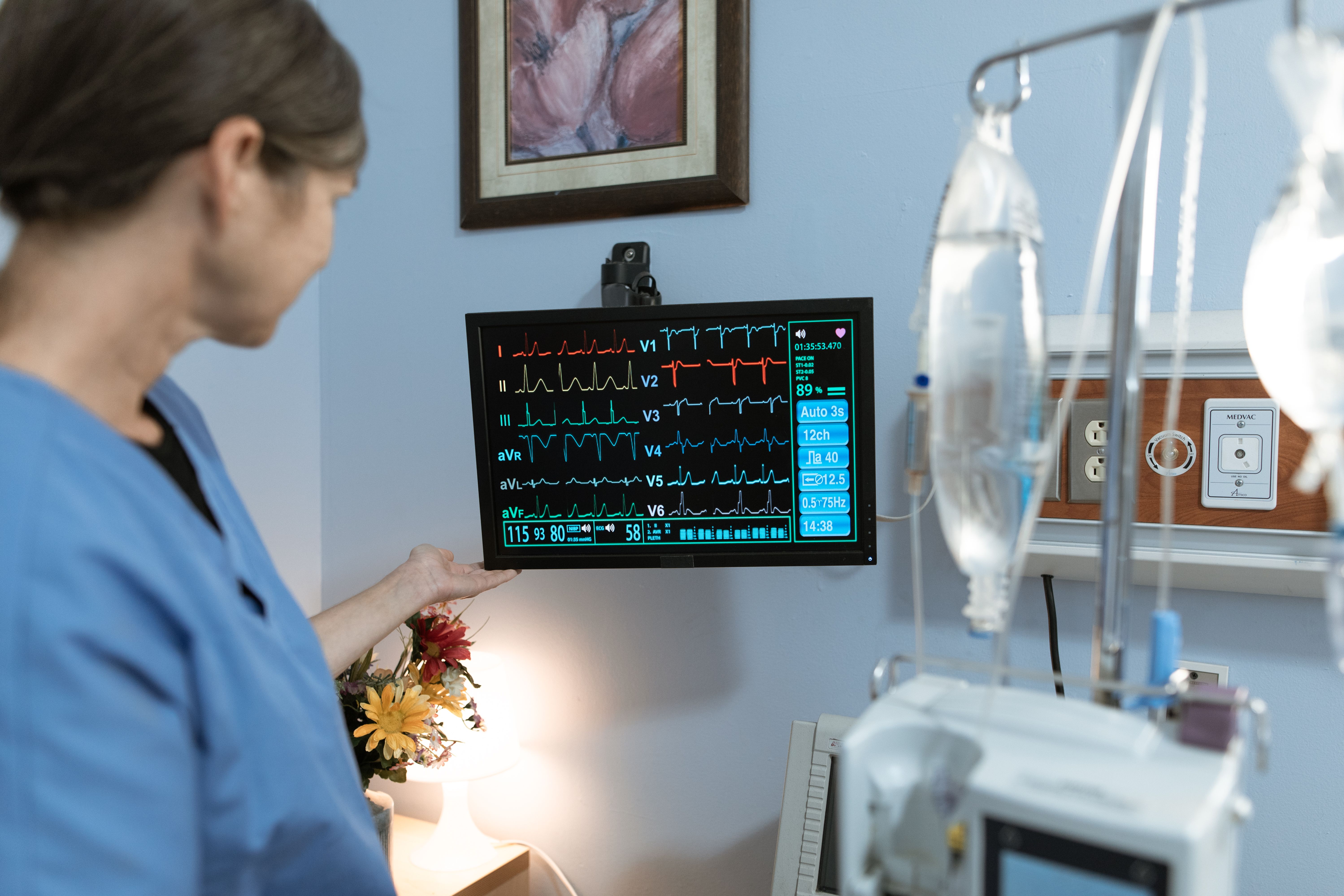
If You Have Heart Disease, Ibogaine Is Off the Table
Anyone with a history of heart disease, arrhythmias, or a prolonged QT interval should not receive ibogaine. Even if you have no known cardiac condition, the risk is not zero. Any clinic that skips ECG screening or continuous monitoring during treatment is putting clients at serious risk. If a clinic is offering ibogaine without cardiac screening, walk away.
The Withdrawal Timeline: Suboxone vs Other Opioids
One reason people look for alternatives like ibogaine is that Suboxone withdrawal is uniquely long. Here's how the timelines compare:
| Substance | Acute Withdrawal | Peak Symptoms | Post-Acute (PAWS) |
|---|---|---|---|
| Suboxone (Buprenorphine) | 2–4 weeks | Days 3–7 | 6–12 months |
| Methadone | 3–6 weeks | Week 2 | 6–18 months |
| Fentanyl | 5–10 days | Days 2–4 | 3–12 months |
| Heroin | 5–7 days | Days 2–3 | 1–6 months |
| Oxycodone / Hydrocodone | 5–7 days | Days 2–3 | 1–6 months |
The length of buprenorphine withdrawal is one of the main reasons people consider more aggressive interventions like ibogaine. But it's also why medical supervision during the taper matters so much: a slow taper over months allows the body to adjust gradually, avoiding the sharpest peaks of withdrawal entirely.
FDA-Approved Alternatives That Are Safer
Before considering ibogaine, there are FDA-approved, insurance-covered, and clinically proven options that are specifically designed for getting off buprenorphine. These include:
1. Sublocade (Monthly Buprenorphine Injection)
Sublocade is a long-acting injectable form of buprenorphine given once a month. Because it releases slowly into the bloodstream, it self-tapers over roughly 6 to 12 months after the last injection. Many patients who have struggled with oral Suboxone tapers successfully transition off Sublocade with minimal withdrawal.
2. Brixadi (Weekly or Monthly Injection)
Brixadi is a newer injectable buprenorphine option with flexible dosing schedules. Like Sublocade, it self-tapers, and many patients find it easier to stop than daily oral Suboxone.
3. Slow Oral Taper
A medically supervised oral taper reduces the dose by roughly 10% every 4 weeks, allowing the body to adjust gradually. This is slower than most people expect, but it is the safest and most reliable method for many patients.
4. Medical Detox with Comfort Medications
Medical detox provides 24/7 supervision with comfort medications (clonidine, anti-nausea, sleep support) during the acute phase. This is usually paired with inpatient or IOP treatment.
5. Naltrexone (Vivitrol) After Detox
After a full taper and detox, naltrexone (as a daily pill or monthly injection) blocks opioid effects entirely and reduces craving. It is FDA-approved and does not carry the cardiac risks of ibogaine.

Why These Options Are Better First
Sublocade, Brixadi, and slow oral tapers are covered by most insurance plans, don't require travel abroad, and carry near-zero cardiac risk. If you haven't tried them yet, they should be your first conversation with a clinician — not ibogaine.
How to Decide — Is Ibogaine Right for You?
Ibogaine is not for everyone. Here's the honest breakdown of when it might be considered — and when it's dangerous.
| Might Be Considered If | Too Dangerous If |
|---|---|
|
|
📋 Questions to Ask a Clinic Before Considering Ibogaine
- Do you do 12-lead ECG and CYP2D6 testing?
- Are physicians on-site 24/7?
- What's the required washout?
- How long is post-session monitoring?
- What aftercare do you provide?
What Treatment at Hudson Valley Rehab Looks Like
Hudson Valley Rehab does not offer ibogaine treatment in the United States — it is a Schedule I substance and illegal to administer outside approved research. What we do offer is the full range of FDA-approved alternatives for people who want off Suboxone, plus aftercare support for patients who choose to pursue ibogaine abroad.
Our program includes:
- Medically supervised Suboxone taper — gradual dose reduction with comfort medications and weekly clinical check-ins
- Medical detox — 24/7 monitoring for the acute phase, whether you are transitioning off buprenorphine, methadone, or a short-acting opioid
- Transition to Sublocade or Brixadi — for patients who want to stop daily oral Suboxone without the withdrawal spikes
- Inpatient rehab — structured residential treatment with daily therapy, psychiatric care, and dual-diagnosis support
- Intensive outpatient program (IOP) — flexible therapy while living at home, ideal for the step-down phase
- Aftercare and alumni support — ongoing check-ins, relapse-prevention planning, and community referrals
Returning from Ibogaine Treatment Abroad?
If you've completed ibogaine treatment in Mexico or elsewhere, our team can support your integration and aftercare when you get home — including psychiatric follow-up, therapy, and relapse-prevention planning. Recovery doesn't end when the session ends. Call (888) 240-2548 to set up aftercare.
Ready to explore treatment? We will walk you through every option.
From medically supervised taper and detox to inpatient and outpatient care, our team helps you find the right path. Nationwide. 24/7. Free.
📞 Call (888) 240-2548 — Confidential & FreeFrequently Asked Questions
Can ibogaine help you get off Suboxone?
Some observational reports suggest ibogaine may reduce buprenorphine cravings and withdrawal symptoms after a single session, but no double-blind randomized controlled trial has proven it works. Because ibogaine carries a documented risk of sudden cardiac death and is illegal in the US, it is not a first-line option. FDA-approved alternatives such as Sublocade, Brixadi, or a slow oral taper are safer and better studied.
How long do you have to be off Suboxone before ibogaine?
Most ibogaine clinics require a washout of 7 to 14 days off buprenorphine before treatment, depending on the daily dose and how long you have been taking it. Buprenorphine has a long half-life (24 to 42 hours) and very high receptor affinity, so it takes much longer to clear than heroin or fentanyl. Some clinics require patients to transition to a short-acting opioid first, then complete a shorter washout.
Is ibogaine safe for Suboxone withdrawal?
Not entirely. Ibogaine can cause QTc prolongation and potentially fatal ventricular arrhythmias such as Torsades de Pointes, even in people without pre-existing heart conditions. Combining ibogaine with buprenorphine raises this risk further because both drugs affect the heart's electrical system. Any legitimate clinic requires a 12-lead ECG, CYP2D6 genotyping, and continuous cardiac monitoring during treatment. If you have heart disease or a prolonged QT interval, ibogaine is generally considered too dangerous.
What are the FDA-approved alternatives to Suboxone?
The three FDA-approved medications for opioid use disorder are buprenorphine (Suboxone, Sublocade, Brixadi), methadone, and naltrexone (Vivitrol). For people who want off Suboxone specifically, the best options are a very gradual oral taper (about 10% dose reduction every 4 weeks), Sublocade (a monthly buprenorphine injection that self-tapers over 6 to 12 months), or Brixadi (weekly or monthly injection). Medical detox with comfort medications and inpatient or outpatient rehab can help through the acute phase.
Can you take ibogaine while on Suboxone?
No. Taking ibogaine while buprenorphine is still active in your system is dangerous. Buprenorphine's high receptor affinity can displace ibogaine or trigger precipitated withdrawal, and the combination significantly increases cardiac risk. Reputable clinics will not administer ibogaine until you have completed a medically supervised washout period of at least 7 days, and often up to 14 days.
How long does Suboxone withdrawal last?
Acute buprenorphine withdrawal typically lasts 2 to 4 weeks — much longer than heroin (5 to 7 days) or fentanyl (5 to 10 days) because of buprenorphine's long half-life and slow release from fat tissue. Symptoms typically peak between days 3 and 7. Some people experience post-acute withdrawal syndrome (PAWS) — mood swings, insomnia, and low energy — for 6 to 12 months after stopping.
How much does it cost to get off Suboxone with ibogaine?
Ibogaine treatment for Suboxone withdrawal typically costs between $7,500 and $20,000 at a medically supervised clinic in Mexico, plus travel, aftercare, and follow-up expenses. Insurance does not cover ibogaine because it is a Schedule I substance in the US and not FDA-approved. By contrast, FDA-approved alternatives such as Sublocade, Brixadi, or a slow oral taper are usually covered by insurance, Medicaid, or Medicare. For a broader cost overview, see our ibogaine treatment guide.
Where can you get treatment for Suboxone dependence?
Hudson Valley Rehab provides medically supervised Suboxone taper, medical detox, inpatient rehab, and outpatient programs across the Hudson Valley, NY region — including Poughkeepsie, Kingston, Newburgh, and Beacon. We also coordinate with patients who choose to pursue ibogaine treatment abroad, and we provide aftercare and integration support when they return. Call (888) 240-2548 for a free, confidential assessment. We do not offer ibogaine in the US, but we can help you navigate every other safe option.
If You're Ready to Start Treatment
Suboxone dependence is treatable — and you do not have to figure it out alone. Whether you are considering ibogaine, want to try Sublocade or Brixadi, or just need a medically supervised taper, our admissions team is available 24/7 to help you find the right option. Nationwide. Confidential. Free.
Suboxone Taper & MAT Support — Nationwide, 24/7
Hudson Valley Rehab helps individuals and families across the United States navigate Suboxone taper, Sublocade and Brixadi transitions, medical detox, and aftercare. Free insurance verification before you commit to anything.
📞 Call (888) 240-2548 — Confidential 24/7 Nationwide AdmissionsTreatment Options — Nationwide Placement
We work with clients and families across the United States. Whether you need medical detox, MAT, inpatient, or outpatient care, our team will help you find the right level of treatment — wherever you are.
This article is for informational purposes only and is not a substitute for professional medical advice. Ibogaine is not FDA-approved, is illegal in the US, and carries documented cardiac risks. If you or someone you know is struggling with opioid or Suboxone use, please contact a medical provider or call our confidential admissions team at (888) 240-2548 — available nationwide, 24/7.