
Methadone Dosage Guide: Starting, Titration & Max Dose
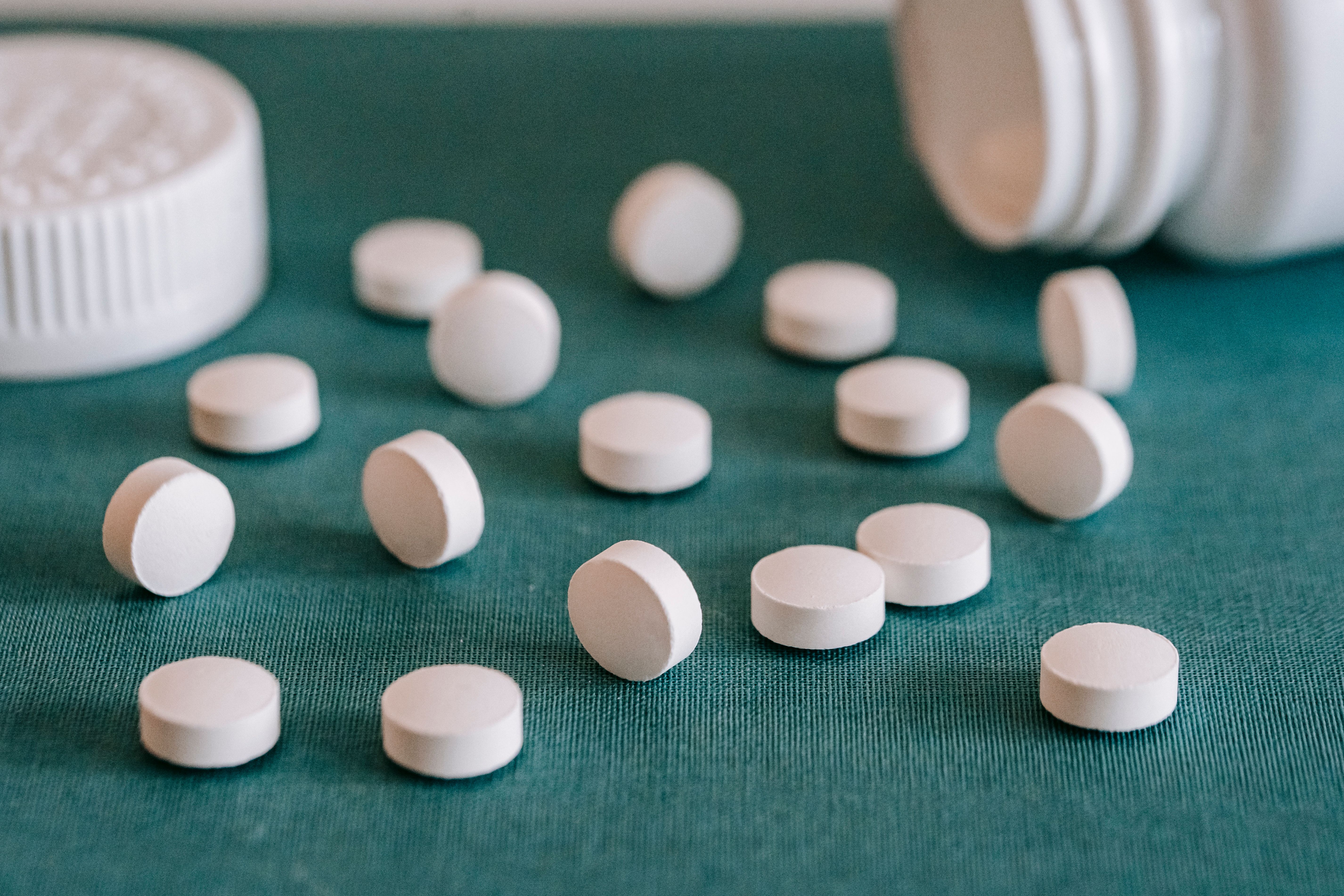
Methadone dosing is not one-size-fits-all. The right dose depends on your opioid tolerance, metabolism, medical history, and how your body responds to treatment. Too low, and withdrawal and cravings return. Too high, and side effects — including dangerous cardiac risks — escalate.
This guide covers the full dosing picture: the standard starting dose, how titration works, what a stable maintenance dose looks like, the maximum doses allowed in different settings, how pain dosing differs from opioid use disorder dosing, and how to taper safely. Everything below reflects SAMHSA guidance and clinical best practice — but your specific dose must be set by your prescriber. If you need help finding a clinic or planning a dosing schedule, call our team at (888) 240-2548 — available nationwide 24/7.
Need Help Finding the Right Methadone Dose? We Can Guide You
Our clinical team helps patients across the United States understand methadone dosing, coordinate with certified OTPs, plan safe tapers, and explore alternatives like Suboxone when appropriate. Free insurance verification, no obligation.
📞 Call (888) 240-2548 — Nationwide MAT & Dosing Support 24/7📋 What You Will Learn
- The standard methadone starting dose — and why it's low
- How titration works and how long it takes to stabilize
- Typical maintenance doses and maximum dose limits
- How methadone dosing differs for pain vs. opioid use disorder
- Factors that change your dose — genetics, pregnancy, medications
- How to taper off methadone safely
📖 Table of Contents
- What Is Methadone Dosing?
- Starting Dose: How Treatment Begins
- Titration: The First 2–6 Weeks
- Stable Maintenance Dose
- Maximum Dose & State Limits
- Dosing for Pain vs. OUD
- Split Dosing & Take-Home Schedules
- Factors That Affect Your Dose
- Tapering: How to Reduce Safely
- Signs Your Dose Needs Adjusting
- Frequently Asked Questions
What Is Methadone Dosing?
Methadone dosing is the process of determining and adjusting the amount of methadone a patient receives each day. Because methadone has an unusually long half-life (8 to 59 hours) and accumulates in the body over the first week of treatment, dosing must be done carefully and individualized.
Dosing is divided into four phases:
- Induction — the first 1 to 2 days (starting dose)
- Titration — the first 2 to 6 weeks (gradual increase)
- Maintenance — the long-term stable dose
- Taper — gradual reduction toward discontinuation (only if the patient and clinician agree)
Throughout all phases, methadone is dispensed through a certified Opioid Treatment Program (OTP) for opioid use disorder, or by a DEA-licensed clinician for pain management.
Methadone dosing has four phases — induction, titration, maintenance, and taper — each with distinct goals.
Starting Dose: How Treatment Begins
The standard starting dose for methadone is 20 to 30 mg per day. This is intentionally low for a reason: methadone accumulates in the body over the first 5 to 7 days, so what feels like "not enough" on day 1 may be too much by day 5.
Key points about the starting dose:
- First dose: Usually 20 to 30 mg, taken in the clinic under observation
- Monitoring: Patients are usually observed for 2 to 4 hours after the first dose
- Second dose: Often held at the same level or increased slightly, depending on response
- No same-day increases: Dose increases typically do not happen on the same day as the first dose, even if withdrawal symptoms persist — this is a safety measure
Starting higher than 30 mg is dangerous and is one of the most common causes of methadone overdose during induction. Patients who were on high-dose fentanyl or heavy heroin use may feel underdosed initially — but this passes as titration continues.
Titration: The First 2–6 Weeks
After the starting dose, methadone is titrated upward by 5 to 10 mg every 3 to 7 days, based on:
- Withdrawal symptoms between doses
- Drug cravings
- Side effects (sedation, sweating, constipation)
- Clinical observation and patient report
Most patients reach a stable maintenance dose within 2 to 6 weeks. Rushing this phase is dangerous — the goal is not to eliminate all symptoms immediately but to find the lowest dose that prevents withdrawal and cravings while minimizing side effects.
A typical titration increases by 5–10 mg every few days until a stable dose is reached — usually within 2 to 6 weeks.
Stable Maintenance Dose
The typical stable maintenance dose for opioid use disorder is 80 to 120 mg per day. This range reflects decades of clinical evidence showing it effectively reduces withdrawal, cravings, and illicit opioid use for most patients.
At a stable dose, patients should experience:
- No withdrawal symptoms between doses
- Minimal or no drug cravings
- No euphoria or sedation ("high")
- Ability to function normally — work, family, sleep
- Stable vitals, no cardiac symptoms
Some patients stabilize at lower doses (40 to 60 mg); others need higher doses (120 to 150+ mg). Both are normal — the dose is right when the clinical goals are met with minimal side effects.

Maximum Dose & State Limits
There is no federal maximum methadone dose, but most states impose a limit — typically 120 mg per day without special approval. Doses above this threshold require documentation of medical necessity, often including an ECG to rule out QT prolongation.
| Dose Range | Notes |
|---|---|
| 20–30 mg | Standard starting dose |
| 30–60 mg | Common titration phase |
| 60–80 mg | Often sufficient for moderate opioid dependence |
| 80–120 mg | Typical stable maintenance dose range |
| 120–150 mg | Requires documentation; more common in high-tolerance patients |
| 150+ mg | Reserved for exceptional cases; requires ECG monitoring and physician documentation |
Higher doses should always be paired with regular ECG monitoring, because methadone's QT-prolonging effects are dose-dependent. For a full breakdown of cardiac risk, see our guide on methadone side effects.
Dosing for Pain vs. OUD
Methadone is used for two very different purposes — and the dosing looks nothing alike between them.
| Factor | For OUD | For Chronic Pain |
|---|---|---|
| Dosing frequency | Once daily | 2–3 times daily |
| Typical dose | 80–120 mg | 2.5–10 mg per dose |
| Goal | Prevent withdrawal and cravings | Maintain analgesia |
| Dispensed by | OTP clinic only | Any DEA-licensed prescriber |
| Take-home | Earned over time | Pharmacy pickup |
The two uses are regulated differently and should never be mixed without coordination between prescribers. If you are prescribed methadone for pain and also enrolled at an OTP, tell both clinicians — this is critical for safety.
Split Dosing & Take-Home Schedules
Most patients do well on once-daily dosing. But some — particularly those who metabolize methadone quickly — experience withdrawal symptoms before their next dose. For these patients, split dosing (taking half the dose twice daily) can improve stability.
Split dosing requires:
- Approval from the OTP physician
- Documentation of fast metabolism or inter-dose withdrawal
- Often an additional requirement for take-home doses (since one dose is taken outside the clinic)
Split dosing is more common during pregnancy, in patients on higher doses, and in those with genetic variations in CYP3A4 or CYP2D6 metabolism.
Factors That Affect Your Dose
Dozens of factors influence what dose is right for a given patient. These include:
| Factor | Effect on Dose |
|---|---|
| Prior opioid tolerance | Higher tolerance = higher dose needed |
| Length of opioid use | Longer use = often higher dose |
| Body weight & composition | Minor effect; methadone distributes widely in tissues |
| CYP2D6 & CYP3A4 genetics | Fast metabolizers may need higher or split doses |
| Liver & kidney function | Impaired function = slower clearance = lower dose |
| Age | Older adults need lower doses |
| Pregnancy | Dose often increases as pregnancy progresses; may need split dosing |
| Drug interactions | CYP inducers lower methadone levels; CYP inhibitors raise them |
| Other medical conditions | Cardiac, respiratory, or hepatic issues affect dosing |
Because of these variables, methadone dosing must be individualized. What works for one patient at 60 mg may require 120 mg for another with the same history.
Tapering: How to Reduce Safely
Tapering off methadone is a gradual, medically supervised process — not an abrupt stop. The goal is to reduce the dose slowly enough that withdrawal symptoms remain manageable while the body adjusts.
A safe taper reduces by 5–10% of the current dose every 1–2 weeks, with smaller reductions below 20 mg.
Standard taper guidance:
- Reduce 5–10% of the current dose every 1–2 weeks while above 30 mg
- Slow to 1–2 mg reductions below 20 mg
- Pause the taper if withdrawal becomes difficult — stabilize, then resume
- Total taper: Often 2 to 6 months, sometimes longer
Faster tapers cause more severe symptoms and higher relapse rates. Slower is always better. For the full withdrawal timeline and detox protocols, see our guide on methadone withdrawal & detox.
Need Help With Methadone Dosing or a Safe Taper Plan?
Our clinical team connects patients across the United States with certified OTPs, provides guidance on dosing and titration, and designs individualized taper plans. Free insurance verification, no obligation. Everything is confidential.
📞 Call (888) 240-2548 — Confidential Dosing & Taper Support 24/7Signs Your Dose Needs Adjusting
If your methadone dose is not right for you, your body will tell you. Talk to your prescriber if you notice:
Signs your dose may be too low
- Withdrawal symptoms between doses (sweating, anxiety, restlessness, yawning)
- Persistent cravings that interfere with daily life
- Early morning withdrawal (before your next dose)
- Return to opioid use to manage symptoms
Signs your dose may be too high
- Excessive drowsiness or difficulty staying awake
- Slow or shallow breathing
- Severe constipation
- Extreme sweating
- Dizziness, confusion, or fainting
- Palpitations (possible QT prolongation)
Never adjust your own dose. Methadone dose changes must be made by your prescriber — even small changes can have major effects because of methadone's long half-life. If you feel your dose is wrong, call your clinic or prescriber and describe your symptoms. Adjustments are usually made within days.
Frequently Asked Questions
What is the starting dose of methadone?
The standard starting dose for methadone in opioid use disorder treatment is 20 to 30 mg per day. This low initial dose is intentional — methadone accumulates in the body over the first 5 to 7 days, so starting higher increases the risk of oversedation and overdose. Patients are typically monitored for 2 to 4 hours after their first dose.
What is a typical methadone maintenance dose?
The typical stable maintenance dose for opioid use disorder is 80 to 120 mg per day. Doses are individualized based on tolerance, metabolism, and clinical response. Most patients reach a stable dose within 2 to 6 weeks of starting treatment.
What is the maximum methadone dose?
Federal regulations do not set an absolute maximum, but most states allow up to 120 mg per day without special approval. Doses above 120 mg require documentation of medical necessity, often including an ECG. Some patients stabilize on 150 to 300+ mg with proper monitoring, especially those with high opioid tolerance from fentanyl or heavy heroin use.
How does methadone titration work?
After the starting dose, methadone is typically increased by 5 to 10 mg every 3 to 7 days based on withdrawal symptoms and side effects. This gradual titration allows the body to adjust and helps avoid oversedation. Most patients reach a stable maintenance dose within 2 to 6 weeks.
What is the difference between methadone dosing for pain and for opioid use disorder?
For opioid use disorder, methadone is usually dosed once daily (80–120 mg) through a certified OTP. For chronic pain, it is typically dosed 2 to 3 times per day (2.5–10 mg per dose) to maintain analgesia. The two uses are regulated differently — pain is prescribed by any DEA-licensed clinician; opioid use disorder requires an OTP.
Can I take methadone twice a day (split dosing)?
Yes — split dosing (twice daily) is used for patients who metabolize methadone quickly and experience withdrawal symptoms before their next dose. Split dosing requires approval from the OTP physician and is more common during pregnancy or for patients on higher doses. Most patients do well on once-daily dosing.
How long does it take to reach a stable methadone dose?
Most patients reach a stable maintenance dose within 2 to 6 weeks of starting treatment. Reaching a stable dose requires careful titration and monitoring for side effects, withdrawal symptoms, and cravings. Rushing this process increases the risk of oversedation and overdose.
What happens if I miss a methadone dose?
Missing one dose usually isn't dangerous — you may experience mild withdrawal symptoms within 24 to 36 hours. Missing multiple consecutive doses may require you to restart at a lower dose to avoid overdose. Always notify your clinic if you miss a dose, and never double up to "catch up."
Can I adjust my own methadone dose?
No. Methadone dose adjustments must be made by your OTP physician. Self-adjusting increases the risk of overdose, dangerous heart rhythm changes (QT prolongation), and respiratory depression. If you feel your dose needs adjustment, speak with your prescriber — they will assess and adjust safely.
What factors affect my methadone dose?
Factors that influence methadone dose include: prior opioid tolerance, length of opioid use, body weight, metabolism (including CYP2D6 and CYP3A4 genetics), liver and kidney function, age, other medications (especially CYP inducers or inhibitors), and whether you are pregnant. Doses must be individualized by a clinician.
How do I taper off methadone?
A safe methadone taper reduces the dose by 5 to 10 percent every 1 to 2 weeks while above 30 mg, then by smaller increments (1–2 mg) below 20 mg. Slower tapers have the highest success rates and lowest relapse risk. Never taper rapidly or stop abruptly without medical supervision.
Does methadone dose affect side effects?
Yes — higher doses are associated with greater risk of sweating, constipation, weight gain, QT prolongation, and respiratory depression. However, side effects can occur at any dose and vary widely between individuals. Always report new or worsening side effects to your prescriber for evaluation.
Is methadone 10 mg the same as methadone 10 mg liquid?
Yes — 10 mg of methadone is 10 mg regardless of form (tablet, liquid concentrate, or wafer). However, the liquid concentrate is often labeled as "10 mg/mL," which means 1 mL of liquid equals 10 mg of methadone. Always follow your prescriber's instructions exactly and never convert doses on your own.
If You Need Help With Methadone Dosing

Finding the right methadone dose is a process — not a one-time decision. If your dose feels too low (withdrawal, cravings) or too high (sedation, side effects), tell your prescriber. Adjustments are normal and expected in the first months of treatment.
Our team helps people across the United States find certified OTPs, understand dosing, plan safe tapers, and explore alternatives like Suboxone when methadone isn't the right fit. Everything is confidential, most insurance is accepted, and there is no obligation when you call.
Methadone Dosing & MAT Support — Nationwide, 24/7
Hudson Valley Rehab helps individuals and families across the United States understand methadone dosing, connect with certified OTPs, and plan safe tapers. Free insurance verification before you commit to anything.
📞 Call (888) 240-2548 — Confidential Dosing & MAT Support 24/7Treatment Options — Nationwide Placement
We work with clients and families across the United States. Whether you need methadone, Suboxone, detox, or integrated mental health care, our team will help you find the right level of treatment — wherever you are.
This article is for informational purposes only and is not a substitute for professional medical advice. Methadone dosing must be individualized and managed by a licensed clinician — never adjust your own dose. If you or someone you know is struggling with opioid use, please contact a medical provider or call our confidential admissions team at (888) 240-2548 — available nationwide, 24/7.