Ibogaine Treatment: Complete Guide to Cost, Clinics, Legality & Risks

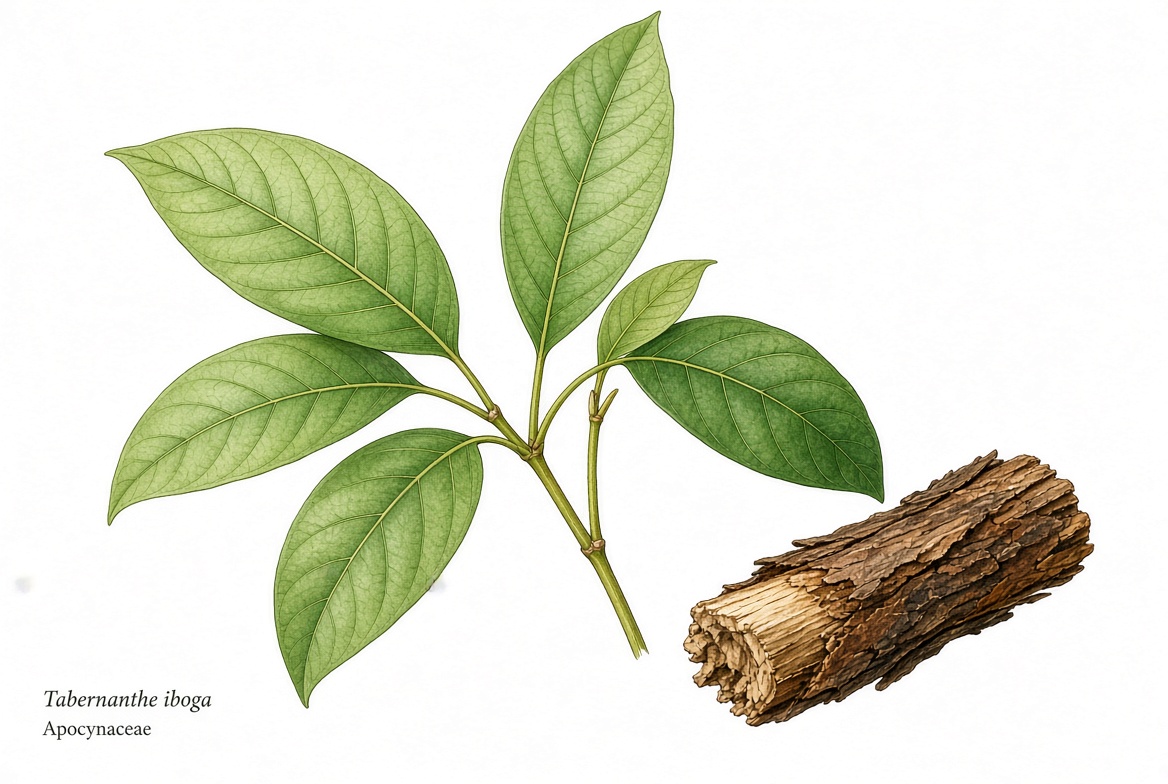
Ibogaine treatment is one of the most talked-about — and most controversial — approaches to breaking addiction. Derived from the root bark of the West African Tabernanthe iboga shrub, ibogaine is a psychoactive alkaloid that has shown remarkable potential in early studies for interrupting opioid, alcohol, and stimulant dependence.
But there is a serious side to ibogaine that does not get enough attention: it can cause fatal heart arrhythmias. In the United States, it is a Schedule I controlled substance — illegal outside of approved research. Most people seeking treatment travel to Mexico or other countries where it is legally available.
This guide covers everything you need to know: how ibogaine works, what it costs, where it is legal, what the real risks are, and what safer alternatives exist. The information below is based on clinical research from the Journal of Addiction Medicine, the American Journal of Psychiatry, and the National Institute on Drug Abuse.
Exploring ibogaine treatment? Get clarity first.
Our admissions team is available 24/7 to answer questions, discuss FDA-approved alternatives, and help you find the right level of care — nationwide.
📞 Call (888) 240-2548 — Confidential & Free📋 What You Will Learn
- What ibogaine is and how it works on the brain
- The full treatment process — from screening to integration
- How much ibogaine treatment costs in Mexico and elsewhere
- Where ibogaine is legal and where it is not
- The cardiac risks and how clinics manage them
- Success rates, relapse statistics, and safer FDA-approved alternatives
📖 Table of Contents
What Is Ibogaine Treatment?
Ibogaine treatment is an experimental therapy that uses ibogaine — a naturally occurring psychoactive compound from the Tabernanthe iboga plant native to West Africa — to interrupt addiction and reduce withdrawal symptoms. It is typically administered as a single dose or a short series of doses under medical supervision, followed by an intensive integration and aftercare period.
Ibogaine is not a cure for addiction. It is a pharmacological tool that some researchers believe can reset certain brain pathways involved in drug-seeking behavior and withdrawal. Its main metabolite, noribogaine, remains active in the body for days after the initial dose, which may contribute to its extended anti-addictive effects.
The compound has been used in traditional West African spiritual practices for centuries. Its modern use as an addiction interrupter began in the 1960s, and since then, an estimated 3,400+ people have received ibogaine treatment worldwide.
How Ibogaine Works: The Science
Ibogaine's mechanism of action is complex and not fully understood. Unlike many addiction treatments that target a single receptor, ibogaine affects multiple systems in the brain simultaneously.
| Mechanism | How It Works |
|---|---|
| NMDA Receptor Antagonism | Ibogaine blocks NMDA receptors, which are involved in learning, memory, and drug tolerance. This is thought to help reset addiction-related neural pathways. |
| Opioid Receptor Modulation | Ibogaine and noribogaine interact with mu and kappa opioid receptors, which may reduce withdrawal symptoms and cravings. |
| GDNF Neuroplasticity | Ibogaine appears to stimulate glial cell-derived neurotrophic factor (GDNF) in the brain's reward center, promoting neuroplasticity and brain repair. |
The Noribogaine Factor
After ibogaine is metabolized by the liver, it converts into noribogaine — a compound with a much longer half-life. Noribogaine stays active in the body for 28 to 49 hours, which researchers believe may explain why a single ibogaine session can produce anti-addictive effects lasting weeks or months.
Ibogaine works on multiple receptor systems in the brain, which may explain its extended anti-addictive effects.
The Ibogaine Treatment Process: Step by Step
Ibogaine treatment is not a one-time event. It is a structured medical procedure that requires careful preparation, monitoring, and follow-up. Here is what the process typically looks like at a legitimate clinic.
Phase 1: Medical Screening & Preparation (Days 1–2)
- Comprehensive medical evaluation — including blood work, liver panel, and a 12-lead ECG to assess heart function
- Cardiac clearance — because ibogaine affects the heart's electrical system, anyone with a prolonged QT interval or a history of arrhythmias is typically excluded
- Substance history review — clients are usually asked to stabilize on a short-acting opioid or taper off other substances before treatment
- Psychological preparation — some clinics include counseling sessions to help set intentions and prepare for the experience
Critical: Cardiac Screening Is Not Optional
Ibogaine can cause QTc prolongation and potentially fatal ventricular arrhythmias like Torsades de Pointes — even in people without pre-existing heart conditions. Any clinic that skips cardiac screening or continuous monitoring during treatment is putting clients at serious risk.
Phase 2: Ibogaine Administration (Day 3)
On the day of treatment, ibogaine is administered orally, usually as a capsule or powder. The experience unfolds in distinct stages:
- Onset (30–60 minutes): Feelings of dizziness, nausea, and perceptual changes
- The Waking Dream (4–8 hours): Vivid, dream-like visions and autobiographical memories — often described as a profound psychological review of one's life
- Introspective Phase (8–12 hours): Deep reflection, emotional processing, and reduced withdrawal symptoms
- Resolution (12–24 hours): Gradual return to normal consciousness, often with significantly reduced cravings
Throughout this process, continuous cardiac monitoring is essential. Many clinics use magnesium supplementation to reduce the risk of arrhythmias.
Phase 3: Post-Treatment Monitoring & Integration (Days 4–7)
- At least 48 hours of monitoring after the session, with regular vital sign checks — due to noribogaine's extended half-life
- Integration sessions with trained therapists to process the experience and develop a recovery plan
- Sleep support, hydration, and nausea management as the body recovers
Phase 4: Aftercare & Follow-Up (Weeks to Months)
The real work of recovery begins after treatment. Most reputable clinics provide:
- Weekly recovery coaching or therapy sessions
- Access to support groups and community integration
- Booster doses if cravings return (some clients require a second session)
- Referrals to same-day online Suboxone treatment or other evidence-based approaches
Ibogaine treatment follows a structured timeline: screening, administration, monitoring, integration, and aftercare.
How Much Does Ibogaine Treatment Cost?
Ibogaine treatment is expensive — and the price varies dramatically depending on where you go and what level of medical care is included. Most people travel to Mexico, where ibogaine is unregulated and clinics operate legally under COFEPRIS oversight.
| Location | Typical Cost (USD) | What Is Included |
|---|---|---|
| Mexico (standard) | $7,500 – $13,500 | Medical screening, 7-day stay, cardiac monitoring, ibogaine dose, basic aftercare |
| Mexico (luxury) | $15,000 – $19,500+ | Private room, 1:1 care, extended aftercare, integration therapy, airport transfers |
| Canada | $8,000 – $15,000 | Medical supervision, counseling, post-treatment support |
| Costa Rica | $6,000 – $12,000 | Medical screening, residential stay, integration support |
| Netherlands | EUR 7,500 – 15,000 | Clinical supervision, psychotherapy, follow-up care |
What Drives the Cost?
Most of the price is medical care: continuous cardiac monitoring, physician coverage, blood work, and screening. A cheaper program often cuts corners on monitoring or aftercare — and those are the components that keep you safe and support lasting recovery. Ibogaine affects the heart, so 24/7 monitoring is not optional.
For those comparing ibogaine to FDA-approved options, medication-assisted treatment (MAT) with same-day online Suboxone treatment or methadone is typically covered by insurance and costs far less out-of-pocket.

Is Ibogaine Treatment Legal?
The legal status of ibogaine varies widely by country. Here is what you need to know before considering treatment.
| Country | Legal Status | Notes |
|---|---|---|
| United States | Schedule I — Illegal | No accepted medical use; illegal outside of approved research. FDA has not approved ibogaine for any indication. |
| Mexico | Unscheduled — Legal | Not listed in controlled-substance schedules. Licensed clinics administer it under COFEPRIS oversight. Most-accessed destination. |
| Canada | Restricted | Available through clinical trials and special access programs; not commercially available. |
| Netherlands | Restricted — Clinical | Available in some clinical and research settings. |
| Costa Rica | Unregulated | Clinics operate openly; no specific prohibition. |
| United Kingdom | Illegal | Class A controlled substance under the Misuse of Drugs Act. |
| Australia | Illegal | Schedule 9 prohibited substance. |
2026 Update: US Policy Shift
In 2026, an executive order was issued supporting the development and approval of psychedelic drugs, including ibogaine compounds, and directing the FDA and DEA to explore pathways for patient access under the Right to Try Act. However, ibogaine remains a Schedule I substance — the executive order does not reschedule it. The FDA has also authorized an early-phase clinical study of noribogaine (an ibogaine derivative) for alcohol use disorder.
Ibogaine is illegal in the US, UK, and Australia. Most people travel to Mexico, where it is legal and administered by licensed clinics.
The Risks: What You Must Know
Ibogaine is not a harmless plant medicine. It carries a rare but clinically significant risk of sudden cardiac death. Anyone considering treatment must understand this before making a decision.
| Risk | What Happens |
|---|---|
| QT Prolongation | Ibogaine can prolong the QT interval on an ECG — a change in the heart's electrical rhythm that can lead to dangerous arrhythmias. |
| Torsades de Pointes | A specific type of ventricular arrhythmia that can be fatal. Cases have occurred in people with no prior heart conditions, at therapeutic doses. |
| CYP2D6 Variability | Genetic differences in how people metabolize ibogaine may increase cardiac risk. CYP2D6 genotyping is recommended before treatment. |
Other Reported Risks
- Nausea and vomiting — common during and after treatment
- Ataxia — difficulty walking or coordinating movement, usually temporary
- Hallucinations and disorientation — part of the psychoactive experience
- Drug interactions — dangerous with certain medications, especially other QT-prolonging drugs
- Death — documented cases of sudden cardiac arrest associated with ibogaine use
If you have a history of heart disease, arrhythmias, or a prolonged QT interval, ibogaine treatment is generally considered too dangerous. Even if you do not, rigorous cardiac screening and continuous monitoring are essential. The safest clinics require ECG clearance, CYP2D6 testing, and 24/7 physician coverage.
Legitimate ibogaine clinics screen for cardiac and liver risk before treatment. Skipping these steps can be fatal.
Considering ibogaine but worried about the risks?
There are FDA-approved, evidence-based treatments for opioid and alcohol use disorder that carry far lower cardiac risk. Our team can help you explore safer options — nationwide.
📞 Call (888) 240-2548 — Confidential & FreeSafer Alternatives to Ibogaine Treatment
If you are struggling with opioid or alcohol addiction, there are FDA-approved treatments with stronger evidence, lower risk, and better access than ibogaine. These include:
| Program | What It Is & Why It Works |
|---|---|
| Medical Detox | 24/7 medically supervised withdrawal management for alcohol, opioids, and benzodiazepines. Essential if you have a physical dependence. |
| Medication-Assisted Treatment | Suboxone, methadone, naltrexone, or Vivitrol — all FDA-approved, insurance-covered, and clinically proven. Many clinics offer same-day online Suboxone treatment. |
| Inpatient & IOP | Structured residential or outpatient programs with therapy, psychiatric care, and aftercare — no travel required, most insurance accepted. |
For clients managing co-occurring conditions, integrated care is critical. If you are also dealing with depression symptoms or acute alcohol withdrawal symptoms, our clinical team can build a plan that treats both together.
Does Ibogaine Treatment Work?
The research on ibogaine is promising but limited. Most studies are observational — meaning they follow people who chose to get treatment rather than comparing them to a control group. This makes it difficult to draw firm conclusions about effectiveness.
What the Research Shows
- Opioid withdrawal reduction: In a study of 50 opioid-dependent individuals, 78% showed no clinical signs of opioid withdrawal after ibogaine treatment, and 79% reported minimal cravings.
- Long-term outcomes: One study found that 30% of participants reported never using opioids again after treatment, while 48% said their use was reduced.
- PTSD and depression: A Stanford University study found that a single ibogaine treatment produced significant reductions in PTSD, depression, and anxiety among veterans with traumatic brain injuries — with improvements of 87% in depression and 81% in anxiety.
- Relapse rates: Despite early improvements, one analysis found that 60% of patients relapsed within two months and 80% within six months.
The Bottom Line on Effectiveness
Ibogaine appears to significantly reduce withdrawal symptoms and cravings in the short term — especially for opioids. But no double-blind, randomized controlled trial (the gold standard of medical evidence) has proven it works for addiction. Relapse rates remain high, and long-term success depends heavily on the aftercare and integration support that follows treatment.
| Factor | Ibogaine | FDA-Approved MAT |
|---|---|---|
| Legal in US | No (Schedule I) | Yes |
| Insurance coverage | No | Often yes |
| Cardiac risk | Significant | Low |
| Evidence base | Observational only | Extensive RCTs |
| Withdrawal relief | Rapid and significant | Gradual but reliable |
| Access | Travel required | Local clinics, telehealth |
Frequently Asked Questions About Ibogaine Treatment
What is ibogaine treatment?
Ibogaine treatment is an experimental therapy using the psychoactive alkaloid ibogaine, derived from the West African Tabernanthe iboga shrub, to interrupt addiction to opioids, alcohol, and other substances. It is not approved by the FDA and is classified as a Schedule I controlled substance in the US.
How much does ibogaine treatment cost?
Ibogaine treatment typically costs between $7,500 and $19,500 at a medically supervised clinic in Mexico. Cheaper programs may lack essential medical monitoring, cardiac screening, or aftercare. The cost varies based on the level of medical care, program length, and amenities.
Is ibogaine treatment legal in the US?
No. Ibogaine is a Schedule I controlled substance in the United States, meaning it has no accepted medical use and is illegal to possess or administer outside of approved clinical research. The FDA has not approved it for any medical use.
What are the risks of ibogaine treatment?
The most critical risk is cardiotoxicity. Ibogaine can cause QTc prolongation and potentially fatal ventricular arrhythmias like Torsades de Pointes, even in individuals without pre-existing heart conditions. Other risks include hallucinations, nausea, and ataxia. Continuous cardiac monitoring is essential.
Does ibogaine treatment work for addiction?
Observational studies suggest ibogaine can significantly reduce opioid withdrawal symptoms and cravings. One study found 78% of patients did not experience clinical signs of opioid withdrawal, and 79% reported minimal cravings. However, no double-blind randomized controlled trial has proven its effectiveness, and relapse rates remain high.
Where can I get ibogaine treatment?
Because ibogaine is illegal in the US, most people travel to Mexico, where it is unregulated and legally administered by licensed clinics under COFEPRIS oversight. Clinics also operate in Canada, the Netherlands, South Africa, and Costa Rica.
How long does ibogaine treatment last?
The ibogaine session itself typically lasts 12 to 24 hours. Most clinics require a 7-day stay for screening, treatment, monitoring, and initial integration. Full recovery and integration can take weeks to months.
Can you get ibogaine treatment in Texas or Florida?
No. Ibogaine is illegal throughout the United States, including Texas and Florida. Any clinic offering ibogaine treatment in the US is operating illegally and without FDA approval. Legal treatment requires traveling to another country.
Is ibogaine treatment safe?
Not entirely. Ibogaine carries a documented risk of sudden cardiac death, even in people without pre-existing heart conditions. Safety depends heavily on rigorous screening, continuous cardiac monitoring, and experienced medical supervision — which not all clinics provide. FDA-approved alternatives carry significantly lower risk.
How long does meth stay in your system?
If you are also wondering about methamphetamine detection windows, see our detailed guide on how long does meth stay in your system. Ibogaine is sometimes explored for meth dependence, though evidence is limited.
If You're Exploring Treatment Options

Ibogaine is not FDA-approved and carries serious cardiac risks. If you or someone you love is struggling with addiction, there are safer, evidence-based treatments available right now — nationwide. Our admissions team is available 24/7 to help you find the right level of care.
Safe, FDA-Approved Addiction Treatment — Nationwide, 24/7
Hudson Valley Rehab provides medical detox, MAT (Suboxone, methadone, naltrexone), inpatient rehab, IOP, and dual-diagnosis care. Free insurance verification before you commit to anything.
📞 Call (888) 240-2548 — Confidential 24/7 Nationwide AdmissionsTreatment Options — Nationwide Placement
We work with clients and families across the United States. Whether you need detox, MAT, inpatient, or outpatient care, our team will help you find the right level of treatment — wherever you are.
This article is for informational purposes only and is not a substitute for professional medical advice. Ibogaine is not FDA-approved, is illegal in the US, and carries documented cardiac risks. If you or someone you know is struggling with substance use, please contact a medical provider or call our confidential admissions team at (888) 240-2548 — available nationwide, 24/7.