Methadone Clinic Near Me: How to Find One & What to Expect

If you've typed "methadone clinic near me" into a search bar, you're probably past the stage of wondering whether methadone treatment could help. The question now is practical: where do I go, what does it cost, and what actually happens on the first visit?
This guide answers those questions directly — how to find a certified clinic near you, what to bring, how much it costs, how take-home dosing works, and what to do if there isn't a clinic nearby. Everything is written to be used, not just read. If you want help finding a clinic right now, call our confidential placement team — they can locate openings and verify your insurance in minutes.
Need a Methadone Clinic Near You? We'll Find One — Nationwide, 24/7
Our confidential placement team locates certified methadone clinics in your area, verifies your insurance for free, checks for same-day openings, and helps you plan the first visit. No pressure, no obligation. Available across all 50 states.
📞 Call (888) 240-2548 — Nationwide Clinic Placement 24/7📋 What You Will Learn
- How to find a certified methadone clinic near you — step by step
- What to bring and what happens on the first visit
- How methadone clinic rules and daily dosing work
- How to earn take-home doses (up to 28 days)
- Cost, insurance, and how to pay for treatment
- Mobile clinics, telehealth, and what to do if there's no clinic nearby
📖 Table of Contents
- What Is a Methadone Clinic?
- How to Find a Methadone Clinic Near You
- Questions to Ask Before You Enroll
- What to Bring to Your First Visit
- What to Expect at Your First Visit
- Daily Dosing & Clinic Rules
- Take-Home Doses: How to Earn Them
- Cost, Insurance & Payment
- How to Choose the Right Clinic
- No Clinic Nearby? Other Options
- Frequently Asked Questions
What Is a Methadone Clinic?
A methadone clinic — officially called an Opioid Treatment Program (OTP) — is a federally certified facility authorized to dispense methadone for opioid use disorder. OTPs are regulated by SAMHSA and the DEA under 42 CFR Part 8, which sets rules for everything from dosing to counseling requirements to take-home eligibility.
Unlike a regular doctor's office or pharmacy, an OTP provides:
- Same-day supervised dosing — you receive your methadone on-site, usually as a liquid
- Medical assessment and monitoring — ongoing physician oversight
- Counseling — individual and/or group therapy, required by federal regulation
- Drug testing — regular urine screens to monitor treatment progress
- Take-home privileges — earned through consistent engagement
Most OTPs are private, for-profit or non-profit clinics. Some are operated by hospitals, community health centers, or state health systems. All are held to the same federal standards.
A methadone clinic is a federally certified Opioid Treatment Program — the only setting where methadone can be dispensed for opioid use disorder.
How to Find a Methadone Clinic Near You
There are five reliable ways to find a methadone clinic near you. Start with the first one — it is the most comprehensive and officially maintained.
1. SAMHSA Opioid Treatment Program Directory
The Substance Abuse and Mental Health Services Administration (SAMHSA) maintains a national directory of every certified OTP in the United States. You can search by ZIP code, city, or state at findtreatment.gov. This is the fastest way to see every clinic within a given radius.
2. SAMHSA National Helpline
Call 1-800-662-HELP (4357). This is a free, confidential, 24/7 service that will give you a list of clinics near you and answer questions about treatment. It is run by SAMHSA, not by any clinic, so there is no sales pressure.
3. Your state health department
Every state licenses OTPs, and most publish a directory of active clinics on their health department website. State directories sometimes include extra information like hours, languages served, and payment options.
4. Your insurance provider
If you have insurance, call the number on the back of your card and ask for in-network OTPs. This saves you from later finding out the clinic you chose is out-of-network.
5. Treatment placement services (like Hudson Valley Rehab)
A national treatment placement service can do all of the above for you in a single phone call — locate clinics, verify insurance, check for openings, and help you understand your options. This is especially helpful if you are in an underserved area or don't know where to start. Call (888) 240-2548 to speak with a placement specialist 24/7.
The SAMHSA directory is the most complete resource, but a placement service saves hours of calling and verifies insurance up front.
Questions to Ask Before You Enroll
Before you commit to a specific clinic, call ahead and ask these questions. A good clinic will answer them all without hesitation.
- Do you have openings right now, or a waitlist? — Some metro areas have months-long waits; some clinics have same-day intake.
- What are your intake hours? — Most OTPs open early (5–7am), but exact hours vary. Some have evening or weekend hours.
- Do you accept my insurance? — Get this confirmed before your first visit, in writing if possible.
- What is the cash-pay cost per day? — If you don't have insurance, ask what the daily dose, weekly counseling, and drug test fees add up to.
- How long until I can earn take-home doses? — Every clinic follows federal minimums, but some are more generous than others under 2024–2026 SAMHSA guidance.
- Do you offer counseling on-site, or is it referred out? — Some clinics have full behavioral health staff; others refer out, which adds complexity.
- What is your policy on missed doses? — Understand the consequences before they happen.
- What is your policy on benzodiazepines or other substances? — Some clinics will not admit patients testing positive for benzos; others have harm-reduction protocols.
What to Bring to Your First Visit
Bring these items to your first appointment. Missing documentation is the most common reason for delays in starting treatment.
- Government-issued photo ID — driver's license, state ID, passport, or military ID
- Insurance card — if you have insurance (Medicaid, Medicare, or commercial)
- Proof of address — utility bill, lease, or bank statement from the last 60 days
- List of current medications — including doses and prescribers
- Medical records (if available) — prior OUD diagnosis, prescriptions, or treatment summaries
- Form of payment — if you are paying out of pocket
- Contact information — emergency contact and, if applicable, a counselor or caseworker
If you don't have insurance, most clinics will still admit you and help you apply for Medicaid on-site. Ask about sliding-scale fees or state-funded slots.
What to Expect at Your First Visit
The first visit typically takes 2 to 4 hours. Here is the general flow, though exact order varies by clinic.
The first visit follows a predictable 5-step flow — intake, medical assessment, drug test, first dose, and observation.
You will leave with:
- Your first dose taken (usually 20–30 mg)
- A dosing schedule for the next few days
- A counseling appointment (usually within a week)
- Instructions for the next visit — including time, location, and what to bring
For a detailed look at dosing protocols and how titration works, see our methadone dosage guide.
Daily Dosing & Clinic Rules
Once you are in treatment, the daily routine is straightforward:
- Arrive during dosing hours — most clinics are busiest 6–9am; going later often means shorter lines
- Provide a urine sample — random or scheduled, typically 1–2 times per week
- Receive your dose — usually liquid concentrate mixed with water or juice
- Wait after dosing if required — some clinics observe new patients for 15–30 minutes
- Attend counseling — usually weekly for the first month, then adjusted based on stability
Federal rules require clinics to have written policies on missed doses, disruptive behavior, and drug-test results. A single missed dose is usually recoverable; multiple missed doses may result in discharge or a restart at a lower dose.
Take-Home Doses: How to Earn Them
Take-home doses are the biggest quality-of-life factor in methadone treatment. They reduce daily clinic visits and let you build a normal routine. Under 2024–2026 SAMHSA guidance, clinics have more flexibility than ever before to grant take-homes.
| Stability Indicator | Typical Take-Home Eligibility |
|---|---|
| New patient, first weeks | Daily dosing required (some clinics grant limited take-homes) |
| 1–3 months stable | Up to 1–2 weeks of take-homes |
| 3–9 months stable | Up to 2–3 weeks |
| 1+ year stable | Up to 28 days of take-homes (federal maximum) |
"Stable" generally means consistent attendance, negative drug tests for non-prescribed substances, adherence to counseling, and no disruptive incidents. Ask your clinic for their specific written policy — they vary significantly.
Take-home privileges grow with stability — from daily dosing at the start to up to 28 days for long-term stable patients.
Cost, Insurance & Payment
Methadone clinic cost varies significantly by state, clinic, and payment method.
| Payment Method | Typical Cost | Notes |
|---|---|---|
| Cash pay (daily) | $5–$30 / day | Includes dosing, counseling, drug screens |
| Cash pay (monthly) | $150–$900 / month | Higher in Northeast and West Coast |
| Medicaid | $0–$3 copay | Covered in nearly all 50 states |
| Medicare | Covered (Part B/D) | Some clinics require prior authorization |
| Commercial insurance | Copay varies | Most major plans cover OTP services |
Because methadone itself is an inexpensive generic medication, most of the daily fee is clinic infrastructure — dosing staff, counseling, drug screens, and physician oversight. For a free insurance benefits check, call our admissions team.
How to Choose the Right Methadone Clinic
If you have more than one clinic near you, these factors matter most when choosing between them.
- Distance and hours — a 10-minute drive and early hours are far easier to sustain than a 45-minute commute
- Take-home policy — some clinics are more generous than others under federal guidance
- Counseling quality — on-site behavioral health is a major benefit over referral-only clinics
- Insurance acceptance — confirm in-network status before your first visit
- Staff reputation — read reviews and ask other patients; a good clinic runs on respect
- Wait time to intake — some clinics have same-day openings; others have months-long waits
- Medical oversight — physicians and nurses on-site daily is a good sign
If you are considering methadone versus other MAT options, see our comparison guide on methadone vs Suboxone.
No Clinic Nearby? Other Options
Roughly one-third of US counties do not have a certified methadone clinic. If you live in an underserved area, you still have several options:
- Mobile methadone units — specially equipped vehicles that dispense methadone in underserved communities under the same federal regulations. Expanding rapidly across the US.
- Telehealth Suboxone treatment — buprenorphine/naloxone can be prescribed by any DEA-licensed clinician via telehealth, with prescriptions sent to a local pharmacy. See our guide to same-day online Suboxone treatment.
- Residential treatment with MAT — inpatient programs that include methadone or buprenorphine as part of a structured recovery plan.
- National treatment placement — a service like ours can identify the closest clinic, coordinate travel, and help you plan around work or family obligations.
For people managing co-occurring conditions — like depression, anxiety, or PTSD — integrated treatment is critical and can be arranged alongside MAT.
Frequently Asked Questions
How do I find a methadone clinic near me?
You can find a methadone clinic near you by searching the SAMHSA Opioid Treatment Program Directory (findtreatment.gov), calling 1-800-662-HELP (4357), contacting your state health department, or calling a nationwide treatment placement service like Hudson Valley Rehab at (888) 240-2548. Most areas within a reasonable distance of a metro area have at least one certified OTP.
What should I bring to my first methadone clinic visit?
Bring a government-issued photo ID, your insurance card (if applicable), proof of address, any current medication list, and if possible documentation of opioid dependence (medical records, prior prescriptions, or a positive drug test). Most clinics also require payment for the first visit if you're paying out of pocket.
Can I just walk into a methadone clinic?
Many clinics accept walk-ins for intake, but most require you to schedule an appointment. Same-day intake is often available if you call first — especially at larger clinics. Calling ahead saves time and confirms the clinic has openings.
How much does a methadone clinic cost near me?
Cash-pay methadone clinic fees typically range from $5 to $30 per day, or about $150 to $900 per month. With insurance (including Medicaid and Medicare), most or all of the cost is often covered. Cost varies significantly by state and program.
Does Medicaid cover methadone treatment?
Yes — Medicaid covers methadone treatment in nearly all 50 states. Most states cover OTP services with minimal or no copay. If you have Medicaid, call the clinic and confirm they accept it before your first visit.
How long does the first methadone clinic visit take?
The first visit typically takes 2 to 4 hours. It includes intake paperwork, a medical assessment, urine drug screening, an initial physical exam, and your first dose. You will usually be asked to wait at the clinic for 1 to 2 hours after your first dose so staff can monitor your response.
Do I have to go to a methadone clinic every day?
Initially, yes. New patients must visit the clinic daily to receive their dose. Over time, patients who demonstrate stability can earn take-home privileges — up to 28 days of doses at a time under current SAMHSA guidance.
How do I earn take-home methadone doses?
Take-home doses are earned through consistent attendance, negative drug tests (for substances other than prescribed), adherence to counseling requirements, and time in treatment. Federal guidance now allows clinics to grant take-homes more flexibly, with some patients eligible within the first weeks of treatment.
Can I switch methadone clinics?
Yes. You can transfer between clinics, but you should coordinate the transfer before your last dose at the current clinic to avoid a gap in treatment. Most clinics require you to sign a release so records can be shared.
Are there online or telehealth methadone clinics?
Methadone induction via telehealth remains restricted in most US states — you generally still need to visit the clinic in person for your first dose. However, some clinics now offer telehealth follow-up visits for stable patients, and mobile methadone units are expanding in several states.
What is a mobile methadone clinic?
Mobile methadone clinics are specially equipped vehicles that travel to underserved areas and dispense methadone to patients who live far from a fixed clinic. They operate under the same federal OTP regulations as brick-and-mortar clinics and are expanding across the US.
What happens if I miss a dose at a methadone clinic?
Missing a single dose usually isn't a serious problem — you may experience mild withdrawal symptoms within 24 to 36 hours. Missing multiple doses can lead to being discharged from the clinic or required to restart at a lower dose. Communication with your clinic is important if you cannot attend.
Does a methadone clinic require counseling?
Yes. Federal regulations under 42 CFR Part 8 require opioid treatment programs to offer counseling as part of comprehensive care. Counseling is generally mandatory for take-home eligibility, though the exact frequency varies by clinic.
What if there are no methadone clinics near me?
If there is no methadone clinic within a reasonable distance, consider mobile methadone units, telehealth-based Suboxone treatment (which can be prescribed by any DEA-licensed clinician), or residential treatment that includes MAT. Hudson Valley Rehab helps people in underserved areas find the closest option — call (888) 240-2548.
If You're Ready to Find a Clinic
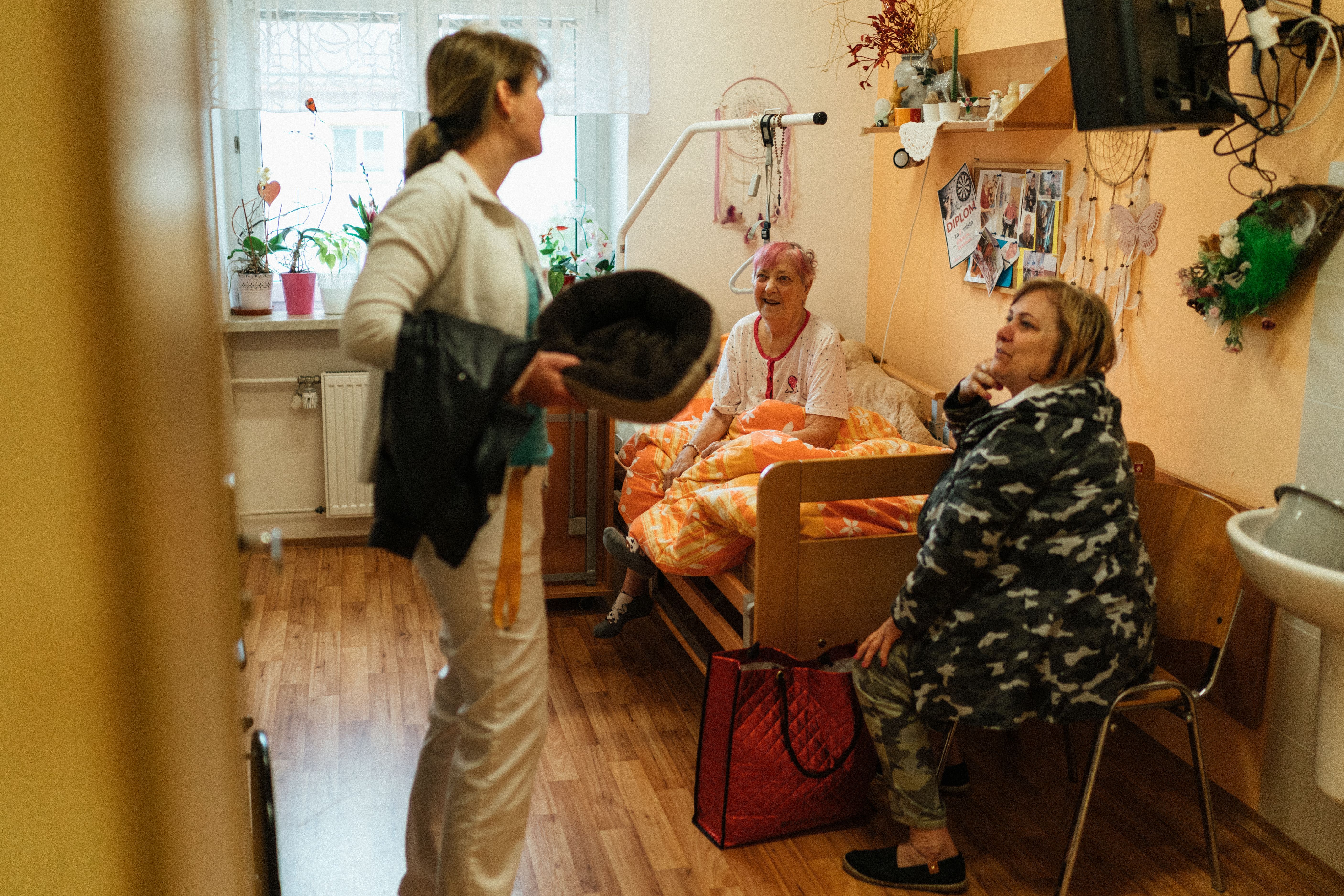
Finding the right methadone clinic is the first step toward stability. From there, the daily routine becomes second nature — dosing in the morning, counseling as scheduled, and take-homes earned through consistency. Millions of people have rebuilt their lives this way, and the treatment is available to anyone who wants it.
If you would like help locating a clinic, verifying your insurance, or exploring alternatives like Suboxone or detox, our nationwide placement team is available 24/7. Everything is confidential, most insurance is accepted, and there is no obligation to commit to anything when you call.
Find a Methadone Clinic Near You — Nationwide, 24/7
Hudson Valley Rehab helps individuals and families across the United States locate certified methadone clinics, verify insurance, and plan the first visit. If there's no clinic nearby, we'll find the closest option or an alternative like Suboxone or residential care.
📞 Call (888) 240-2548 — Confidential 24/7 Nationwide PlacementTreatment Options — Nationwide Placement
We work with clients and families across the United States. Whether you need methadone, Suboxone, detox, or integrated mental health care, our team will help you find the right level of treatment — wherever you are.

This article is for informational purposes only and is not a substitute for professional medical advice. Methadone is a Schedule II controlled substance and can only be dispensed for opioid use disorder through a federally certified Opioid Treatment Program. If you or someone you know is struggling with opioid use, please contact a medical provider or call our confidential admissions team at (888) 240-2548 — available nationwide, 24/7.