How to Choose an Inpatient Program in Dutchess County

If you're looking for addiction treatment in Dutchess County, you've probably noticed the options aren't all the same. The two most common starting points are inpatient rehab and a Partial Hospitalization Program (PHP). Both are intensive. Both work. But they fit different lives.
This guide breaks down the real differences — not marketing language — so you can decide what actually fits your work schedule, your family responsibilities, and your recovery goals. We'll also cover the specific programs available right here in Dutchess County.
Not Sure Which Level of Care Fits?
Our admissions team works with Dutchess County residents every day. One confidential call can help you figure out whether inpatient or PHP is the right starting point — and what your insurance covers.
📞 Call (888) 240-2548 — Confidential & FreeInpatient vs. PHP: The Short Version
| Factor | Inpatient / Residential | PHP (Partial Hospitalization) |
|---|---|---|
| Overnight stay | Yes — live on-site 24/7 | No — return home each evening |
| Hours per week | 24/7 structured care | ~20+ hours (5–6 hrs/day, 4–5 days/week) |
| Medical supervision | Round-the-clock clinical staff | Daytime clinical support; no overnight monitoring |
| Best for | Detox needs, unsafe home environment, severe symptoms | Stable home, step-down from inpatient, daily structure without overnight |
| Work flexibility | Very limited — most programs expect full focus on recovery | More flexible — some programs offer evening or adjusted schedules |
| Family involvement | Visits scheduled; family therapy included | Live at home; family can stay more involved day-to-day |
Key takeaway
Inpatient gives you distance from triggers and 24/7 medical safety. PHP gives you intensive daily treatment while you return home each night. Neither is "better" — the right one depends on what you're working with.
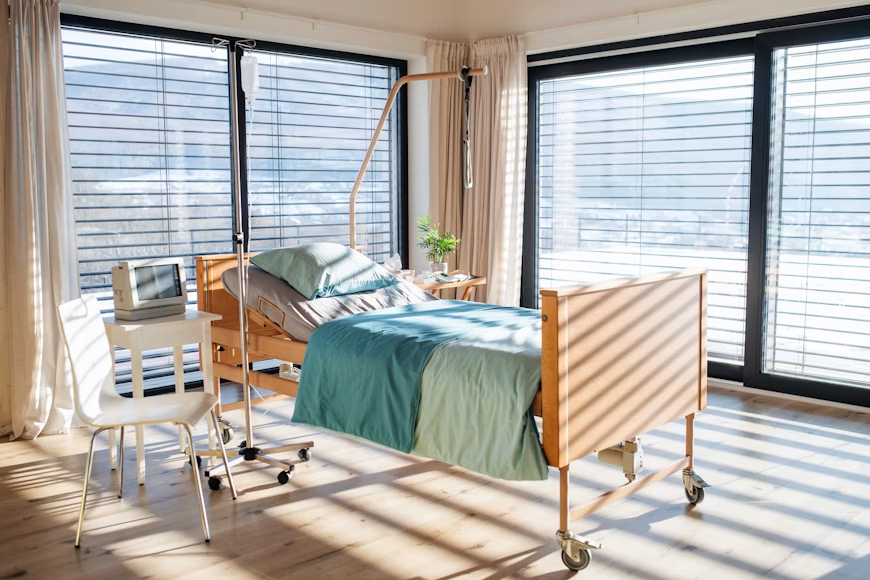 Inpatient care provides a structured, substance-free environment with 24/7 support.
What Inpatient Rehab Actually Involves in Dutchess County
Inpatient (or residential) rehab means you live at the treatment facility for the duration of your program. In Dutchess County, the primary inpatient option is the Kyle Goldberg Turning Point Program at MidHudson Regional Hospital in Poughkeepsie, which offers 50 inpatient rehab beds and 10 medically monitored detox beds. Services are licensed by OASAS and include individual therapy, group counseling, family outreach, and gender-specific therapy groups.
Typical inpatient programs run 28 days or longer, depending on clinical needs. The daily structure is built around therapy, medical monitoring, and recovery education — with limited outside contact during the early phase.
Inpatient may be the right fit if:
- You need medical detox before therapy can begin
- Your home environment is unsafe or actively triggers use
- You've tried outpatient treatment before and relapsed
- You need complete separation from daily stressors to focus on recovery
- You're managing severe withdrawal symptoms or co-occurring medical conditions
What PHP Actually Involves in Dutchess County
A Partial Hospitalization Program (PHP) is the most intensive form of outpatient treatment. You attend structured therapy 5–6 hours per day, 4–5 days per week — roughly 20+ hours of clinical support — then return home or to sober living each evening.
In Dutchess County, PHP options are available through county programs and contract agencies. The county's Partial Hospital Program provides intensive, medically supervised treatment for individuals who need daily structure but not overnight hospitalization. Note: the county has been transitioning some PHP services to a more flexible Intensive Outpatient Program (IOP) model, so it's worth confirming current availability when you call.
PHP is often used as a step-down from inpatient care, or as a starting point for people who need more than standard outpatient therapy but have a safe place to sleep at night.
 PHP offers intensive daily therapy while allowing patients to return home each evening.
PHP may be the right fit if:
- You've completed detox or inpatient care and need continued structure
- You have a stable, substance-free home environment
- You need daily clinical support but not 24/7 medical monitoring
- You're managing a co-occurring mental health condition alongside substance use
- You want to practice recovery skills in your real environment while still receiving daily support
How to Decide Based on Your Work Schedule
One of the first questions people ask is: Can I keep working? The honest answer depends on which level of care you choose.
Inpatient and work
Most inpatient programs expect you to step away from work entirely for the duration of treatment. The schedule is full-time and designed to keep you focused on recovery. If you qualify, the Family and Medical Leave Act (FMLA) may protect your job for up to 12 weeks of unpaid leave while you get treatment. Remote or freelance work is occasionally possible during free hours at some facilities, but it's the exception, not the rule.
PHP and work
PHP is more compatible with work, but it's still a significant time commitment. Standard PHP schedules run during daytime hours (often 9 AM–3 PM), which can conflict with a traditional 9-to-5. Some programs offer evening or adjusted schedules to accommodate working patients, and many people use FMLA or short-term disability to cover the first few weeks. If your employer offers flexible hours or remote options, PHP can sometimes fit around a reduced work schedule — but it requires honest coordination.
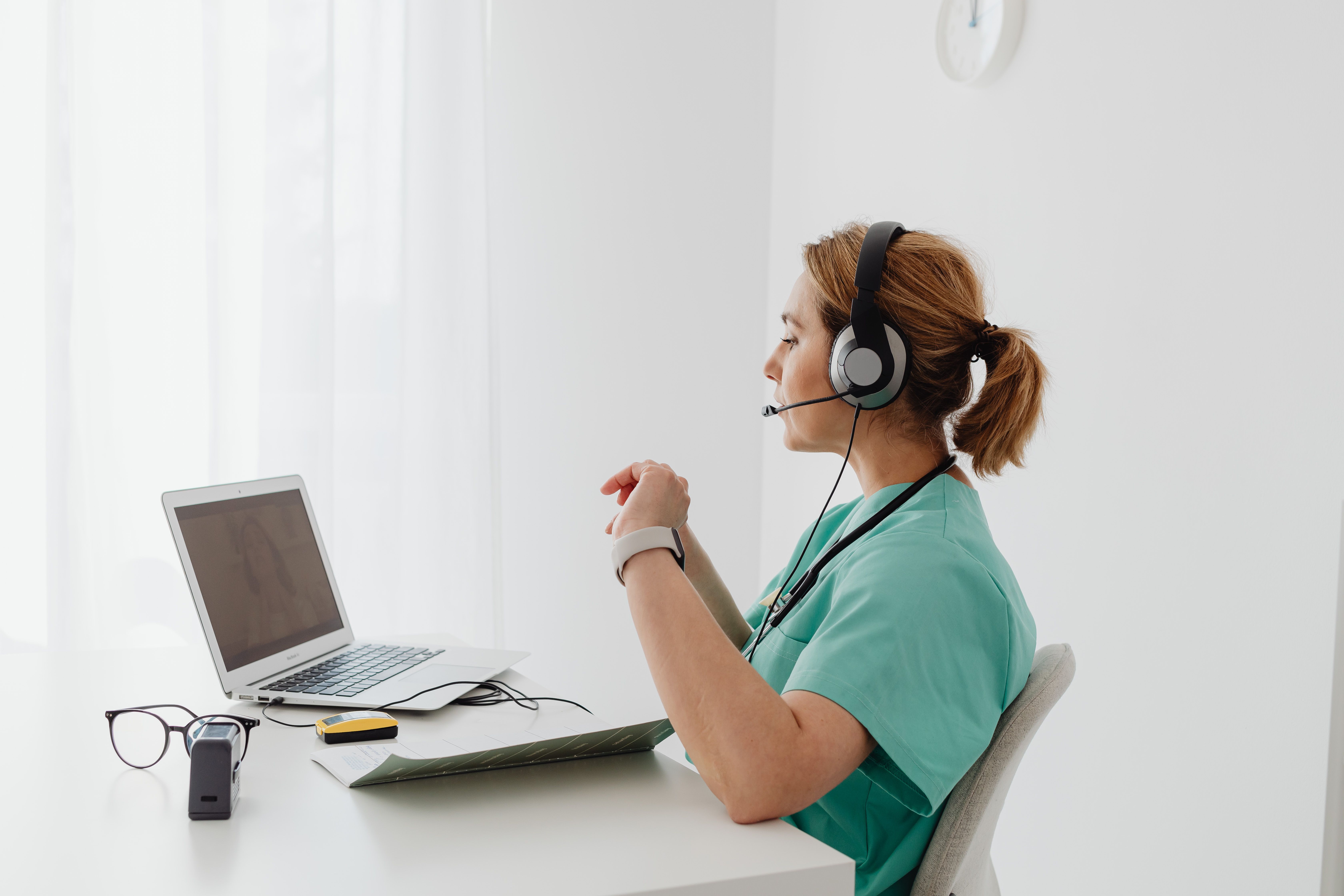 PHP's flexible structure can sometimes accommodate work — but it requires planning.
Quick decision guide for work:
- Can take 4+ weeks off work? → Inpatient may be the right call for a full reset.
- Can take partial leave or adjust hours? → PHP may be workable.
- Need to maintain full-time work immediately? → Consider IOP (Intensive Outpatient) instead, which typically runs 9–15 hours per week.
How to Decide Based on Family Life
Inpatient and family
Inpatient treatment means being away from family for 28+ days. For parents with young children or caregivers for elderly relatives, that's a real barrier. However, many inpatient programs include family therapy sessions and scheduled visits, and some offer transportation assistance for admissions. The trade-off is clear: time away now, in exchange for a safer, more stable recovery environment.
PHP and family
PHP allows you to sleep at home and stay involved in daily family life. You can attend your child's school events, help with homework, and maintain household routines. But PHP also means returning each evening to the same environment where your substance use occurred — which is only safe if that environment is genuinely supportive and substance-free.
A question worth asking yourself
If you go home each night, is the environment you're returning to going to help your recovery or test it? If the answer is "test," inpatient (or PHP with sober living) may be the safer choice.
 Inpatient keeps you away from family for weeks; PHP lets you stay connected daily.
How to Decide Based on Your Recovery Goals
Different goals point to different levels of care.
If your goal is stabilization first
If you're in active withdrawal, medically unstable, or in crisis, inpatient is the standard recommendation. Medical detox and 24/7 monitoring provide the safety net you need before therapy can truly take hold. In Dutchess County, the Turning Point Program at MidHudson Regional offers medically managed detox and inpatient rehab in the same facility, which can simplify the transition.
If your goal is gradual reintegration
If you've already completed detox or inpatient care and want to start rebuilding routines, PHP is the logical next step. It provides daily accountability and structure while letting you test recovery skills in real life. Many people step down from inpatient → PHP → IOP → standard outpatient as they stabilize.
If you have a co-occurring mental health condition
Both inpatient and PHP can treat dual diagnosis, but PHP often provides more flexibility for coordinating psychiatric care with daily life. The key is that the program integrates mental health treatment with addiction treatment — not treats them as separate issues. For a deeper look at why this matters, see our guide on how addiction and mental illness are linked in the brain.
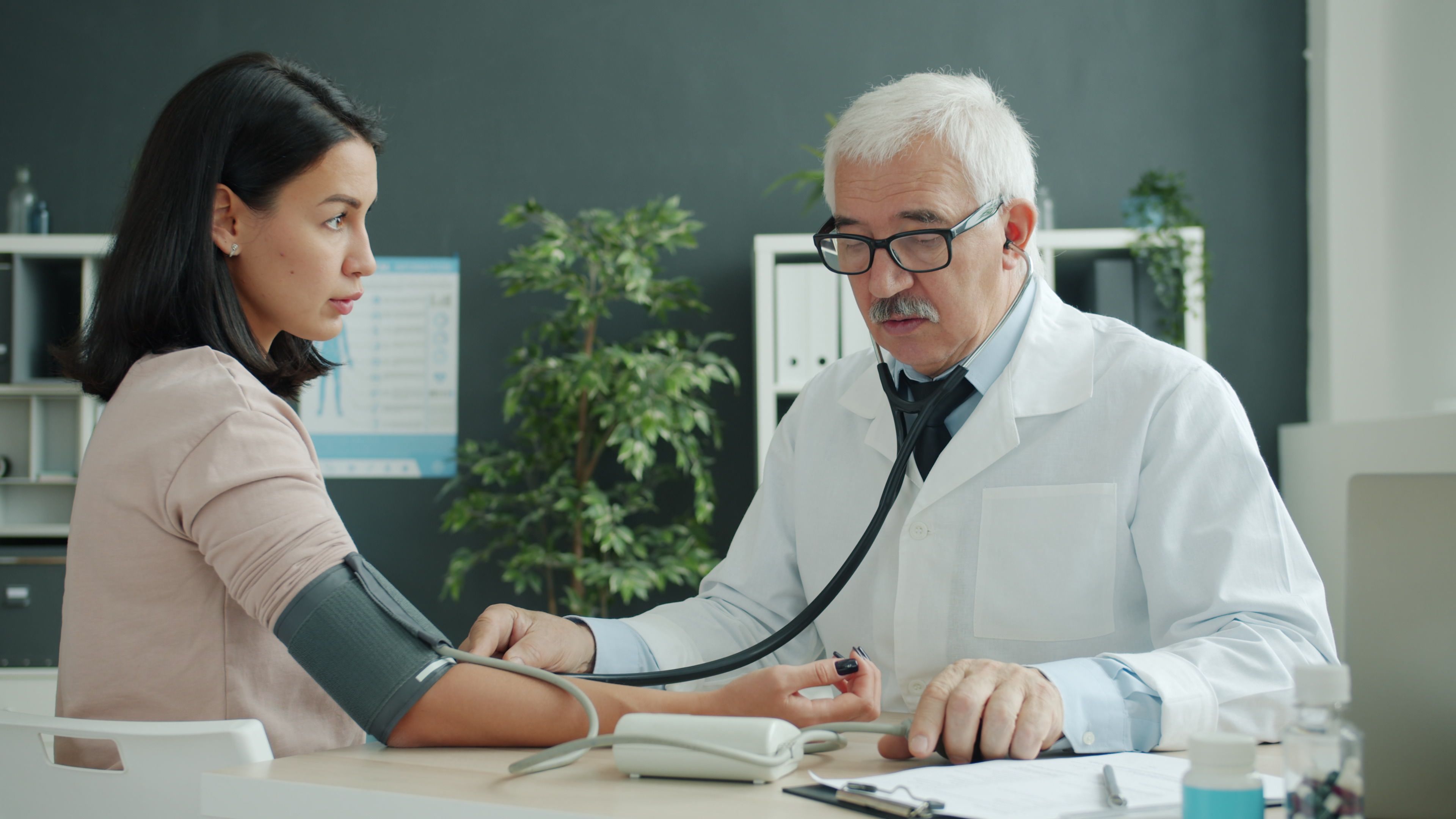 A clinical assessment is the most reliable way to match your goals with the right level of care.
Dutchess County Resources That Can Help You Decide
You don't have to figure this out alone. These local resources are set up specifically to help Dutchess County residents navigate treatment decisions:
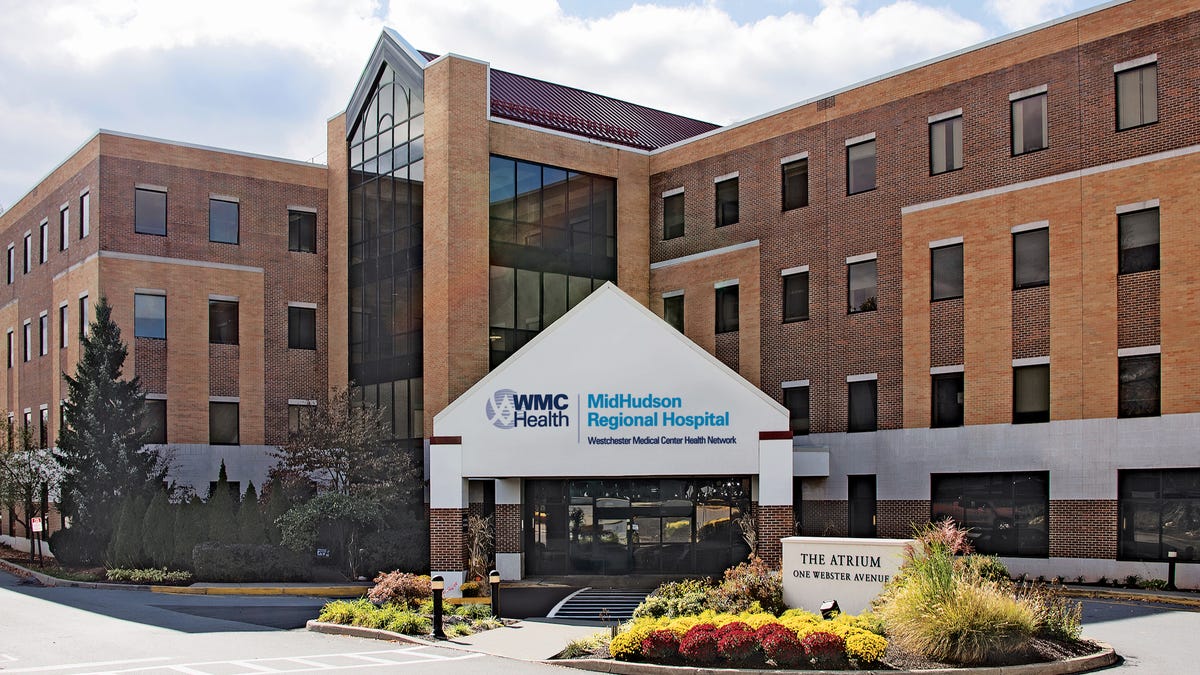 MidHudson Regional Hospital in Poughkeepsie is home to the Kyle Goldberg Turning Point Program for inpatient detox and rehab.
- Dutchess County HELPLINE (988 or text 845-485-9700) — 24/7 connection to treatment and recovery services.
- Stabilization Center (230 North Road, Poughkeepsie) — Walk-in crisis support for mental health or substance use. Open 24/7, no appointment needed.
- Turning Point Program at MidHudson Regional Hospital — Inpatient detox and rehab, licensed by OASAS. Phone: 845-483-5511.
- ITAP (Intensive Treatment Alternatives Program) — Outpatient day rehab through Dutchess County DBCH. Phone: 845-486-3680.
Ready to Talk Through Your Options?
Our admissions team can walk you through inpatient vs. PHP, verify your insurance, and connect you with the right program in Dutchess County. Free, confidential, no obligation.
📞 Call (888) 240-2548 — Confidential & FreeFrequently Asked Questions
What's the main difference between inpatient and PHP?
Inpatient means living at the facility 24/7 with round-the-clock medical supervision. PHP means attending intensive treatment during the day (20+ hours per week) and returning home each evening. Inpatient is for people who need a safe, monitored environment; PHP is for people who need daily structure but have a stable place to sleep.
Can I work while in PHP?
Sometimes, but it depends on the program's schedule and your employer's flexibility. PHP typically runs 5–6 hours per day, 4–5 days per week. Some programs offer evening or adjusted sessions for working patients. Many people use FMLA or short-term disability to cover the first few weeks.
Is inpatient rehab necessary before PHP?
Not always. You can start directly in PHP if you don't need detox and have a safe home environment. However, if you need medical detox or your home environment is unsafe, inpatient is usually the recommended first step.
Does insurance cover inpatient and PHP in Dutchess County?
Most major insurance plans, including Medicaid and Medicare, cover both inpatient and PHP for substance use disorder. Coverage details vary by plan. Our team offers a free insurance verification so you know your costs before committing.
How long do inpatient and PHP programs last?
Inpatient programs typically run 28 days or longer, depending on clinical needs. PHP usually lasts several weeks to a few months, with a gradual step-down to IOP and standard outpatient care as you stabilize.
You Don't Have to Figure This Out Alone
Whether you need inpatient care, PHP, or just a conversation to sort out your options — our Dutchess County admissions team is available 24/7. Free insurance verification. No obligation.
📞 Call (888) 240-2548 — Confidential & FreeGet Help in Dutchess County Today
📍 Address: 45 River Road, Highland, NY 12528
📞 Phone: (888) 240-2548
🌐 Website: https://www.hudsonvalley.rehab
🕒 Admissions: Available 24/7
Disclaimer: This article is for informational purposes only and is not medical advice. Always consult with a healthcare professional for medical advice. If you or someone you know is in crisis, call 911 or the SAMHSA National Helpline at 1-800-662-4357.
© 2026 · Hudson Valley Rehab · All rights reserved.