Fentanyl Addiction Treatment: Complete Guide to Detox, MAT & Recovery

Fentanyl has changed the face of opioid addiction in the United States. It is up to 50 times stronger than heroin and 100 times stronger than morphine, which means the margin between a high and a fatal overdose is razor-thin. It is now the leading cause of overdose deaths in America, involved in more than 70,000 fatalities per year.
But fentanyl addiction is treatable. With the right combination of medical detox, medication-assisted treatment (MAT), behavioral therapy, and long-term support, people can and do recover. This guide walks you through every phase, from understanding what fentanyl does to your body, to the withdrawal timeline, to the treatment options that actually work.
The information below is based on clinical guidance from the CDC, the National Institute on Drug Abuse (NIDA), the Substance Abuse and Mental Health Services Administration (SAMHSA), and peer-reviewed research on opioid use disorder.
Struggling with fentanyl? Get help right now.
Our admissions team is available 24/7 to answer questions, verify insurance, and help you find the right level of care, nationwide. Free insurance verification, no obligation.
📞 Call (888) 240-2548 — Nationwide Fentanyl Treatment 24/7📋 What You Will Learn
- What fentanyl is and why it is so dangerous
- Signs of fentanyl addiction and overdose
- How to respond to a fentanyl overdose with naloxone
- The full fentanyl withdrawal timeline
- Detox, MAT (Suboxone, methadone, naltrexone), and therapy options
- How to access treatment — most insurance accepted
📖 Table of Contents
What Is Fentanyl?
Fentanyl is a synthetic opioid that was originally developed in the 1960s as an anesthetic and pain-management medication for surgery and cancer treatment. It is still used in medical settings — patches, lozenges, and IV formulations are prescribed for severe pain. The problem is that illicitly manufactured fentanyl has flooded the street drug supply since around 2013, and it is now found in everything from counterfeit pills to cocaine, methamphetamine, and marijuana.
Pharmaceutical fentanyl is dosed in micrograms, not milligrams. A lethal dose of fentanyl can be as small as 2 milligrams, which is roughly the size of a few grains of salt. Because illicit fentanyl is produced without quality control, users have no way of knowing how much is in any given dose.
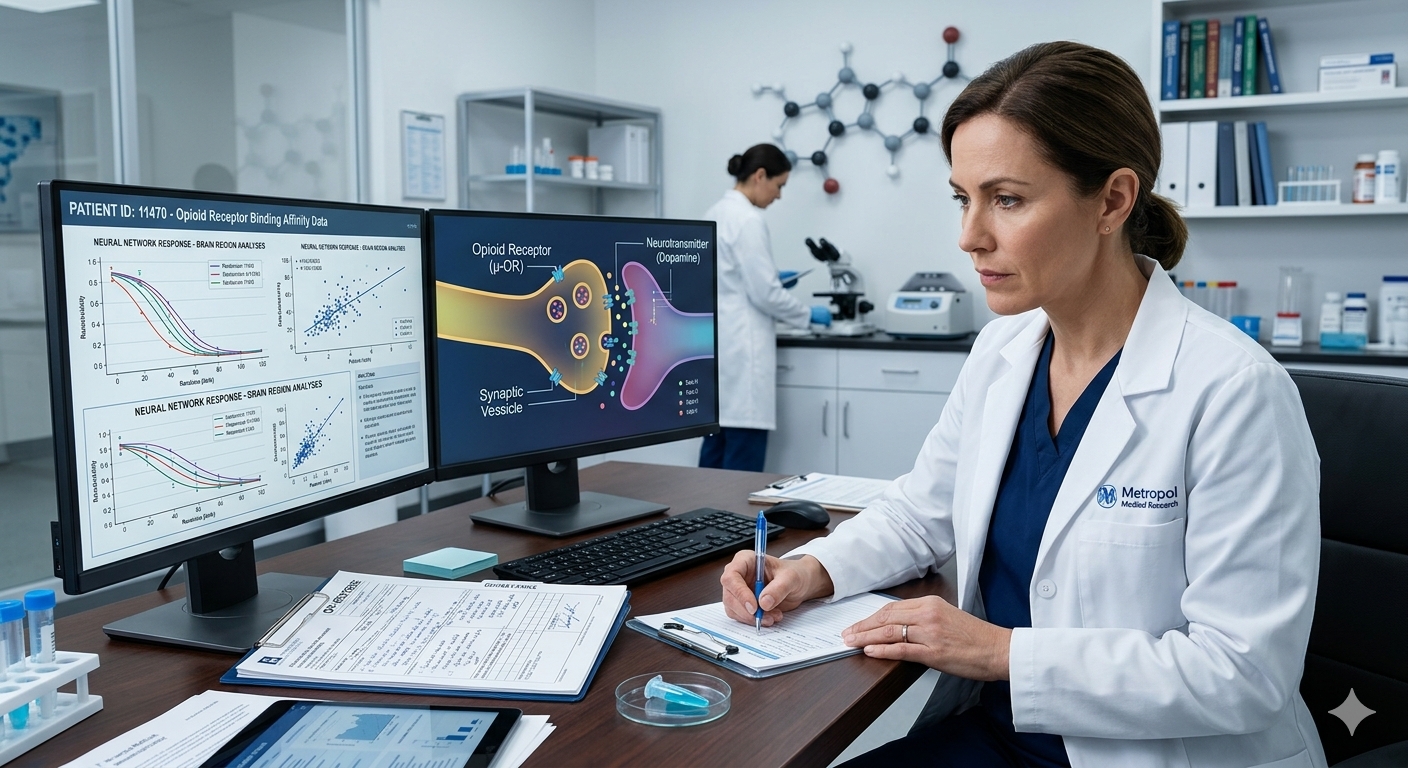
Fentanyl works by binding to mu-opioid receptors in the brain, spinal cord, and gastrointestinal tract. It triggers a flood of dopamine that produces intense euphoria, but it also suppresses the part of the brainstem that controls breathing. That respiratory suppression is what makes fentanyl overdose so deadly.
Why Fentanyl Is So Dangerous
Fentanyl's danger comes from three things: potency, dose precision, and how easy it is to encounter unknowingly.
Fentanyl is up to 100 times stronger than morphine. A tiny amount can be lethal.
Why This Matters
- Extreme potency: Fentanyl is 50x stronger than heroin and 100x stronger than morphine. A tiny amount that would be imperceptible for heroin can be lethal for fentanyl.
- Narrow safety margin: There is very little difference between a dose that gets you high and a dose that stops your breathing. Small variations can be fatal.
- Hidden in other drugs: Fentanyl is now found in counterfeit pills, cocaine, meth, and marijuana — meaning people who never intended to use opioids are overdosing.
Signs of Fentanyl Addiction
Fentanyl addiction (clinically called opioid use disorder) develops quickly because fentanyl is so potent. Physical dependence can form within days to weeks of regular use. Here are the signs to watch for:
| Category | Signs to Watch For |
|---|---|
| Behavioral | Using more than intended; failed attempts to stop; neglecting work, school, family; lying about use; doctor shopping or forging prescriptions; stealing or borrowing money |
| Physical | Pinpoint pupils; nodding off mid-conversation; slow, shallow breathing; extreme drowsiness; itching and flushed skin; weight loss and poor hygiene |
| Psychological | Intense cravings; anxiety when supply runs low; depression and hopelessness; withdrawal from friends; loss of interest in hobbies; suicidal thoughts |
Physical Dependence vs. Addiction
Physical dependence means your body has adapted to fentanyl and will go into withdrawal if you stop. Addiction (opioid use disorder) includes dependence plus compulsive use despite harm. Both require medical treatment, but not the same treatment. Our clinical team can help you understand the difference during a free assessment call.
Fentanyl Overdose and Naloxone Response
Fentanyl overdose kills by suppressing breathing. Recognizing the signs and acting fast saves lives. Naloxone (Narcan) reverses opioid overdoses and is available over-the-counter in all 50 US states.
Recognize overdose, call 911, give naloxone, rescue breaths, stay until help arrives.
Good Samaritan Laws Protect You
Every US state has a Good Samaritan law that protects people who call 911 during an overdose from drug possession charges. Calling for help saves lives, and it is legal.
Laced Drugs: The Hidden Risk
One of the deadliest aspects of the fentanyl crisis is that fentanyl is now mixed into drugs that people do not expect to contain opioids. Counterfeit pills pressed to look like Percocet, Xanax, or Adderall often contain fentanyl. So do many batches of cocaine, methamphetamine, and even marijuana.
This means anyone using any street drug is at risk of a fentanyl overdose, even if they have never intentionally used opioids. Fentanyl test strips, legal in most states, can detect fentanyl in drug samples and save lives.
Fentanyl is now found in counterfeit pills, cocaine, meth, and marijuana. Anyone using street drugs is at risk.
Afraid of fentanyl in your supply? We can help.
If you or someone you love is using any street drug, even occasionally, our team can help you understand your options. Nationwide. 24/7. Confidential.
📞 Call (888) 240-2548 — Confidential Help 24/7Fentanyl Withdrawal Timeline
Fentanyl withdrawal is not usually life-threatening the way alcohol or benzodiazepine withdrawal can be, but it is intensely uncomfortable, and the severity is what drives so many people back to using. Relapse after tolerance has dropped is a leading cause of fatal overdose.
Because fentanyl is stored in body fat, withdrawal often lasts longer than heroin withdrawal. Some people experience symptoms for up to 2 to 4 weeks.
Fentanyl withdrawal follows a predictable timeline. Medical detox makes it safer and reduces relapse risk.
Fentanyl Addiction Treatment Options
Effective fentanyl treatment is not one thing. It is a phased approach that starts with stabilization and continues for months. Here are the main levels of care:
Treatment is available in most major metro areas across the country, including dedicated programs in northern New Jersey. If you are searching for fentanyl addiction treatment in Newark, NJ, our affiliated center offers medical detox, MAT, and dual-diagnosis care for residents of Newark, Jersey City, East Orange, Irvington, and the broader Essex County area.
The best outcomes combine medical detox, MAT, and behavioral therapy in a phased approach.
Medication-Assisted Treatment (MAT): The Gold Standard
MAT is the most evidence-backed treatment for fentanyl addiction. Medications reduce cravings, prevent withdrawal, and — critically — cut overdose death risk by more than 50%. Three medications are FDA-approved for opioid use disorder:
| Medication | How It Works | Best For |
|---|---|---|
| Buprenorphine (Suboxone) | Partial opioid agonist — reduces cravings without producing a high; ceiling effect makes overdose rare | Most people. Available via telehealth in many states. |
| Methadone | Full opioid agonist — eliminates withdrawal and cravings; dispensed daily at certified clinics | People with severe dependence or who did not respond to buprenorphine |
| Naltrexone (Vivitrol) | Opioid antagonist — blocks the effects of opioids entirely; requires full detox first | People who want a non-opioid option and have completed detox |
Start MAT Without Waiting
Buprenorphine can now be prescribed via telehealth in most US states — no in-person visit required. Many clinics offer same-day online Suboxone treatment for people ready to start today. Our admissions team can help you find a provider in your state, including same-day Suboxone and MAT in Newark, NJ.

Co-Occurring Conditions and Polysubstance Use
Fentanyl addiction rarely exists alone. Most people who use fentanyl also struggle with one or more of the following, and treating the addiction without treating the co-occurring condition rarely works:
| Condition | Why It Matters |
|---|---|
| Mental Health | Depression, anxiety, PTSD, and ADHD are common alongside opioid use disorder. Integrated treatment addresses both. Read more about depression symptoms. |
| Alcohol Use | Alcohol is frequently used alongside opioids — sometimes to boost effects, sometimes to manage withdrawal. Alcohol withdrawal symptoms require separate medical supervision. |
| Stimulant Use | Meth and cocaine are increasingly cut with fentanyl. If you use stimulants, you may need how long meth stays in your system for detox planning. |
Alternative and Experimental Treatments
Some people explore non-standard treatments when FDA-approved options have not worked. One such option is ibogaine treatment, an experimental psychedelic therapy that has shown promise in early observational studies for opioid use disorder. Ibogaine is derived from the West African iboga plant and is not FDA-approved, classified as a Schedule I substance in the United States, and carries significant cardiac risks — including potentially fatal heart arrhythmias — even in people without pre-existing heart conditions.
Because ibogaine is illegal in the US, most people who pursue it travel to clinics in Mexico or other countries. Anyone researching it should read a full medical overview covering the cardiac risks, legal status, treatment cost, and safer alternatives. Our clinical team has published a detailed ibogaine treatment guide covering all of that.
For the vast majority of people, FDA-approved MAT combined with behavioral therapy remains the safest and most effective path to recovery. Our clinical team can discuss all options during a confidential call.
Ready to explore treatment? We will walk you through every option.
From detox and MAT to inpatient and outpatient programs, our team helps you find the right level of care for your situation. Nationwide. 24/7. Free.
📞 Call (888) 240-2548 — Confidential Help 24/7Frequently Asked Questions About Fentanyl Addiction Treatment
What is fentanyl addiction treatment?
Fentanyl addiction treatment is a structured medical approach that combines detox, medication-assisted treatment (MAT), behavioral therapy, and long-term aftercare to help people stop using fentanyl safely and stay in recovery. It is not a single event but a phased process that begins with stabilization and continues for months or years.
How long does fentanyl withdrawal last?
Fentanyl withdrawal typically begins 6 to 12 hours after the last dose, peaks between 24 and 72 hours, and begins to ease after 5 to 7 days. However, because fentanyl is stored in body fat, some people experience prolonged withdrawal lasting 2 to 4 weeks — longer than heroin or other opioids.
What is the best treatment for fentanyl addiction?
The most effective treatment combines medication-assisted treatment (MAT) with behavioral therapy. FDA-approved medications include buprenorphine (Suboxone), methadone, and naltrexone. Research shows MAT dramatically reduces overdose risk, cravings, and relapse compared to abstinence-only approaches.
Can you detox from fentanyl at home?
Fentanyl withdrawal is rarely dangerous in the way alcohol or benzodiazepine withdrawal can be, but it is extremely intense and often leads to relapse. Home detox without medical support is not recommended because the severe discomfort drives most people back to using — and relapse after tolerance drops is a leading cause of fatal overdose.
Does insurance cover fentanyl addiction treatment?
Most major insurance plans cover fentanyl detox, MAT, inpatient rehab, and outpatient programs because opioid use disorder is classified as a medical condition under the Mental Health Parity Act. Our admissions team verifies benefits for free before you commit to anything.
What is naloxone and how does it reverse fentanyl overdose?
Naloxone (brand name Narcan) is an FDA-approved opioid antagonist that rapidly reverses opioid overdoses, including fentanyl. It works by displacing opioids from their receptors in the brain. Because fentanyl is so potent, some overdoses require multiple doses of naloxone — but it saves lives when administered quickly.
How long does fentanyl stay in your system?
Fentanyl is detectable in urine for 1 to 3 days, in blood for several hours to 2 days, and in saliva for 1 to 2 days. Hair follicle tests can detect fentanyl for up to 90 days. Chronic heavy use may extend detection windows.
Is fentanyl addiction treatable?
Yes. Fentanyl addiction is a chronic but highly treatable medical condition. With MAT, behavioral therapy, and long-term support, many people achieve sustained recovery. Relapse is common in early recovery but does not mean treatment has failed; it means the treatment plan needs adjustment.
Can you overdose on fentanyl after a period of abstinence?
Yes. Tolerance drops rapidly during abstinence, often within days. If someone returns to their previous dose after a break, the amount that used to be safe can now be fatal. This is one of the most common causes of overdose death in early recovery.
Are there experimental alternatives to fentanyl addiction treatment?
Yes, some people research experimental options like ibogaine treatment when FDA-approved medications have not worked. Ibogaine is not FDA-approved, is illegal in the US, and carries documented cardiac risks. For the vast majority of people with opioid use disorder, FDA-approved MAT (Suboxone, methadone, or naltrexone) combined with behavioral therapy remains the safest and most effective path to recovery.
Where can I find fentanyl addiction treatment near me?
Treatment is available nationwide through inpatient rehab centers, outpatient programs, MAT clinics, and telehealth. If you are in northern New Jersey, our Newark, NJ addiction treatment center offers fentanyl detox, MAT, and outpatient care for Newark, Jersey City, East Orange, and Essex County. Our admissions team can help you find the right level of care, regardless of where you live in the United States. Call (888) 240-2548 for a free, confidential assessment.
If You're Ready to Start Treatment

Fentanyl addiction is treatable. With the right combination of medical detox, MAT, behavioral therapy, and aftercare, people do recover — and the earlier you reach out, the safer the process is.
Our team helps people across the United States find the right level of treatment, verify insurance, and start care today. Everything is confidential, most insurance is accepted, and there is no obligation when you call.
Fentanyl Addiction Treatment — Nationwide, 24/7
Hudson Valley Rehab provides medical detox, MAT (Suboxone, methadone, naltrexone), inpatient rehab, IOP, and dual-diagnosis care for fentanyl addiction. Free insurance verification before you commit to anything.
📞 Call (888) 240-2548 — Confidential 24/7 Nationwide AdmissionsTreatment Options — Nationwide Placement
We work with clients and families across the United States. Whether you need detox, MAT, inpatient, or outpatient care, our team will help you find the right level of treatment — wherever you are.
This article is for informational purposes only and is not a substitute for professional medical advice. If you or someone you know is struggling with fentanyl or opioid use, please contact a medical provider or call our confidential admissions team at (888) 240-2548 — available nationwide, 24/7.